The Story of St John’s
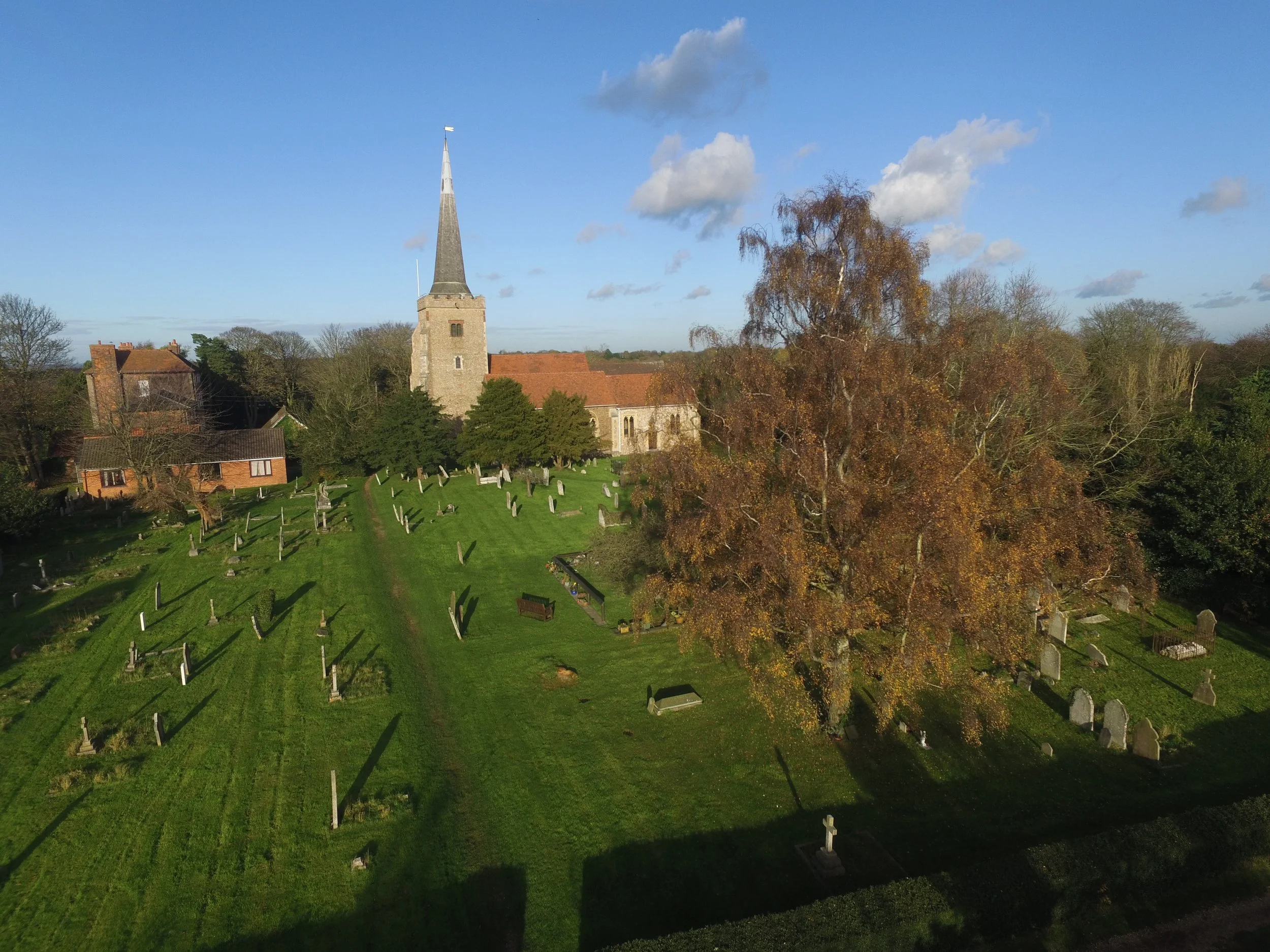
Standing proudly on Danbury Ridge, with its spire visible for miles around, St John’s has been part of the Danbury landscape for centuries. But the story of this special place goes back much further than the church building itself. From ancient hill forts and medieval craftsmanship to wartime damage and modern-day restoration, the church has witnessed an extraordinary amount of history.
A Place with an Ancient Past
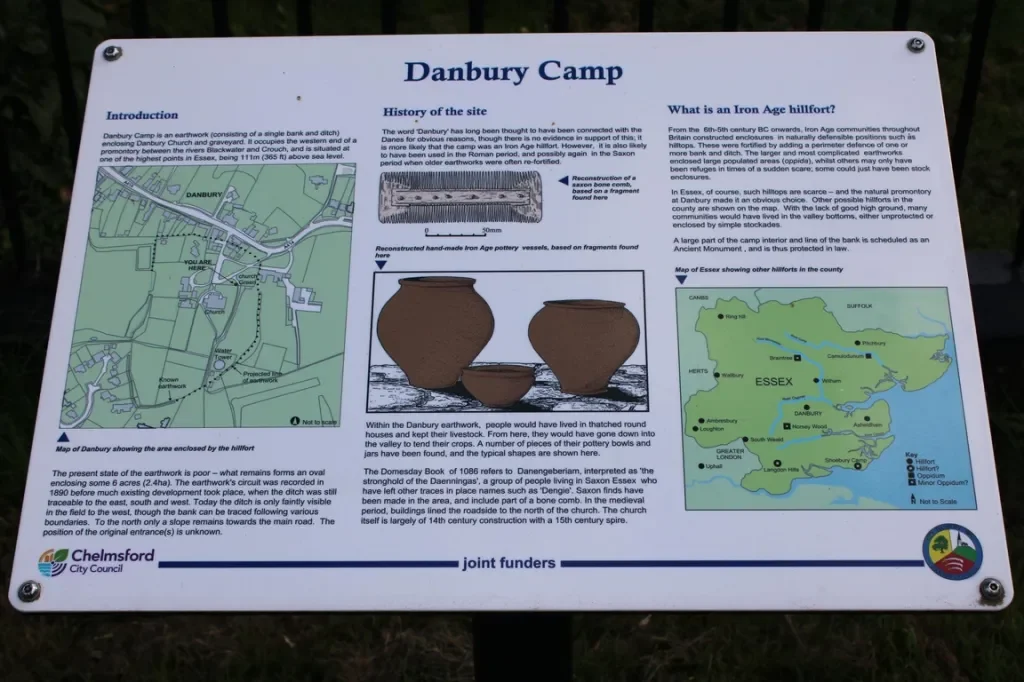
Long before the first church was built here, Danbury Hill was an important vantage point. The hill was once home to an ancient hill fort, known as Danbury Camp, and archaeological discoveries show that people were living in the area as far back as 500 BC. Traces of these early fortifications can still be found today.
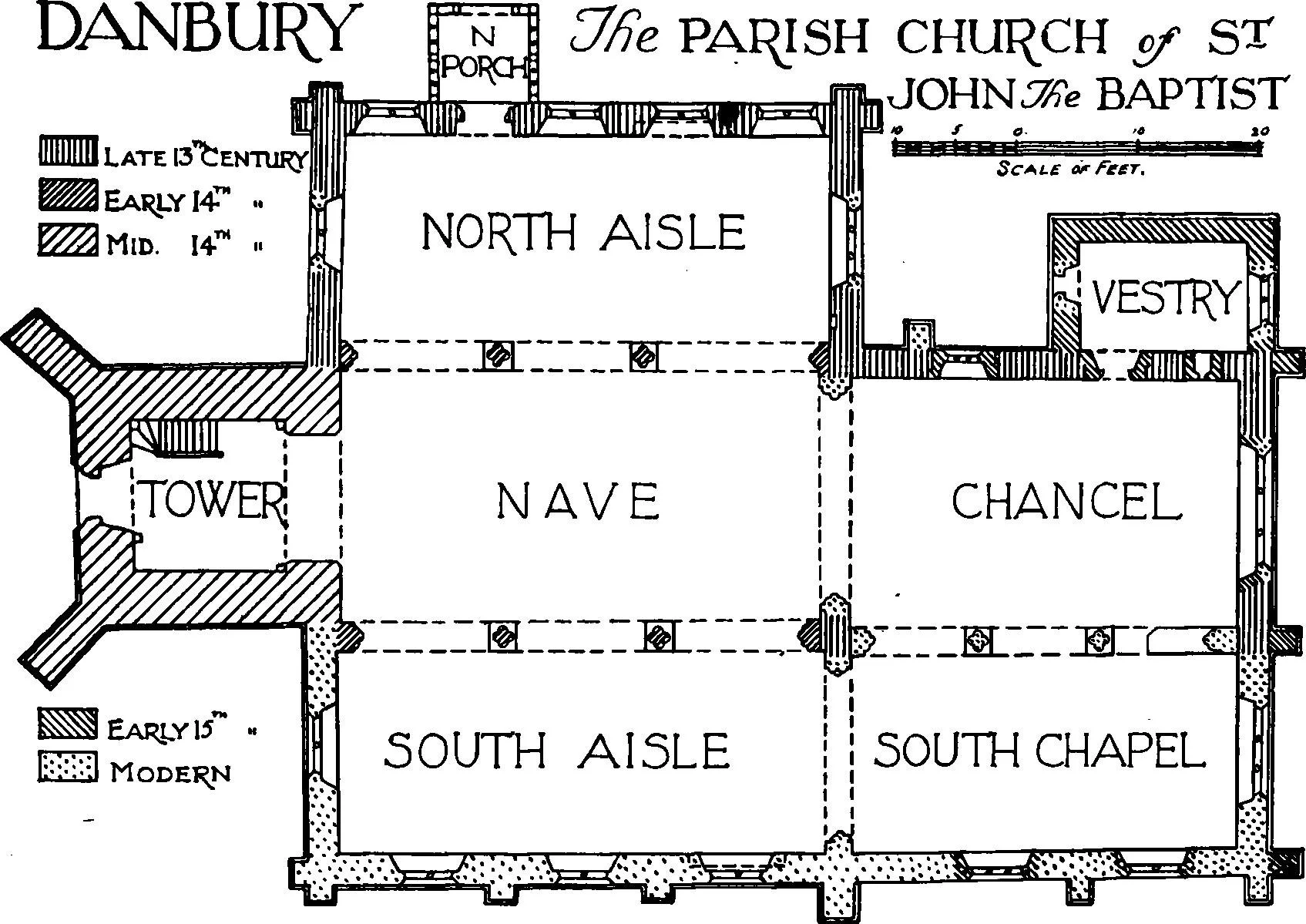
We don't know for certain whether an earlier Saxon church stood on the site, as no physical evidence of one has been discovered. However, parts of the present building reveal just how much history lies within its walls. The oldest surviving section is thought to be the North Aisle, believed to have been endowed as a chapel by the St Clere family in 1290, for the soul of William de St Clere.
Even older traces of the past can be found in the fabric of the building. The lower part of the north wall contains evidence of Norman workmanship, incorporating fragments of Roman brick – a remarkable reminder of the many generations who have occupied this hilltop.
Building the Church We Know Today
During the following centuries, the church gradually took shape. An earlier tower and spire were destroyed in 1402, possibly by a storm or fire. The congregation at the time apparently believed the destruction was the work of the devil!
The tower, spire and nave were subsequently rebuilt, along with the addition of the vestry. Much of what gives St John’s its distinctive medieval character today dates from this period in the 15th century.
For several hundred years the building remained largely unchanged, although repairs were clearly needed. In 1776, the South Aisle was rebuilt, with records describing the church as being in "great want of reparations".
By 1847, a visiting architect described the interior as being in a sadly decaying and dilapidated condition, although some restoration work was already underway.
The Great Restoration of 1866
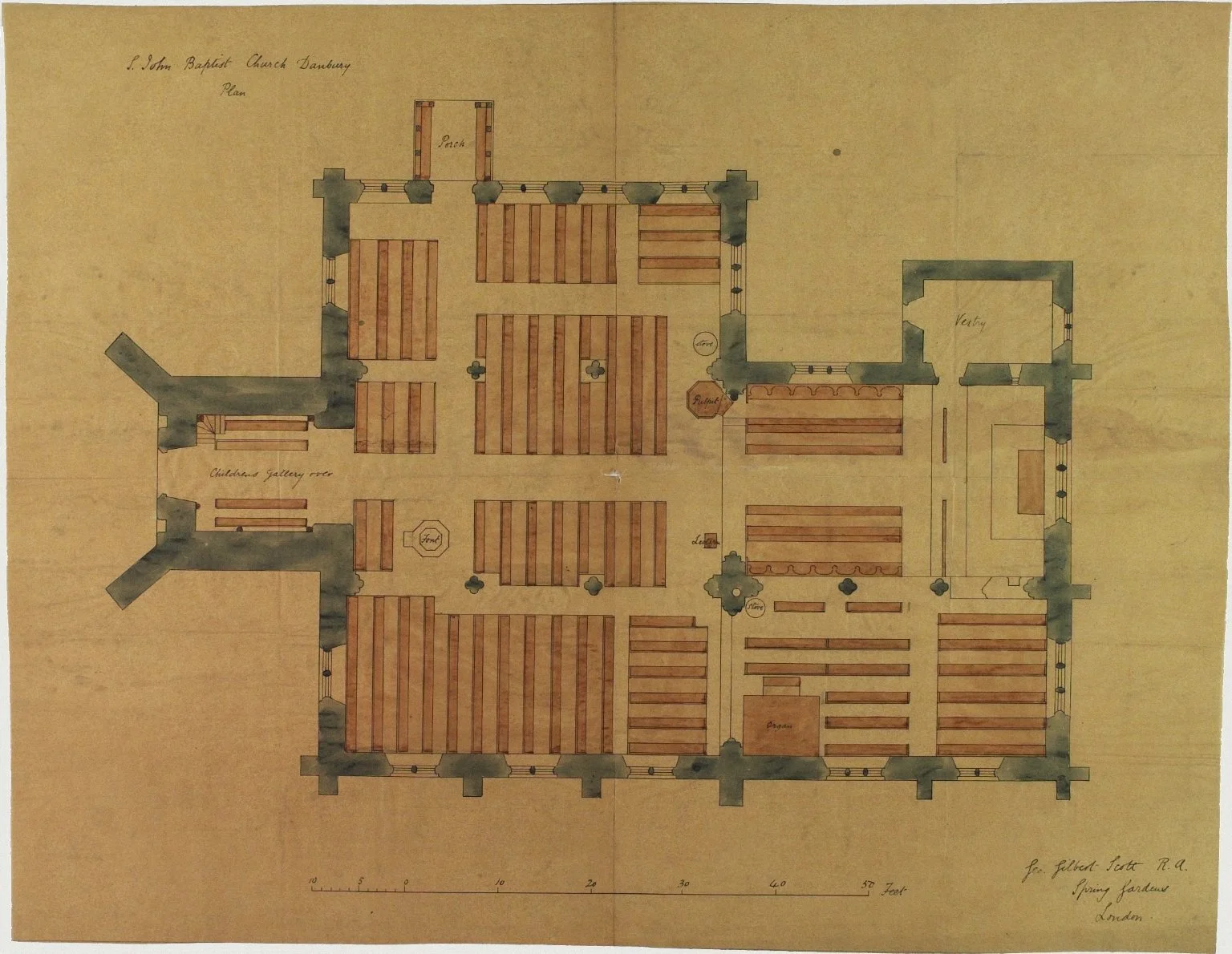
One of the most significant periods in the church's history came in 1866–67, when the celebrated Victorian architect Sir George Gilbert Scott was commissioned to undertake a major restoration.
The work was so extensive that the church had to close for more than a year, at a cost of over £3,000 – a considerable sum at the time!
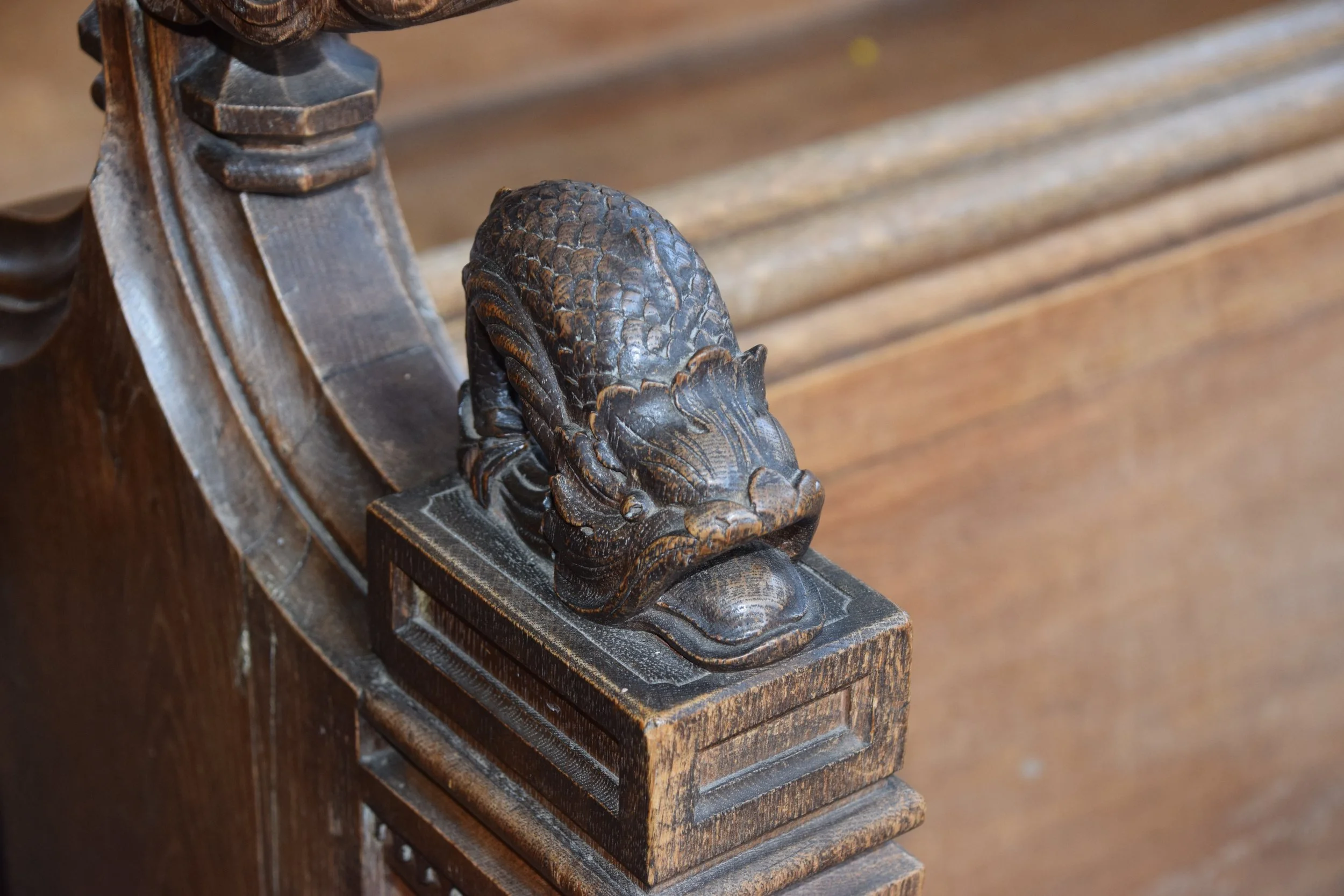
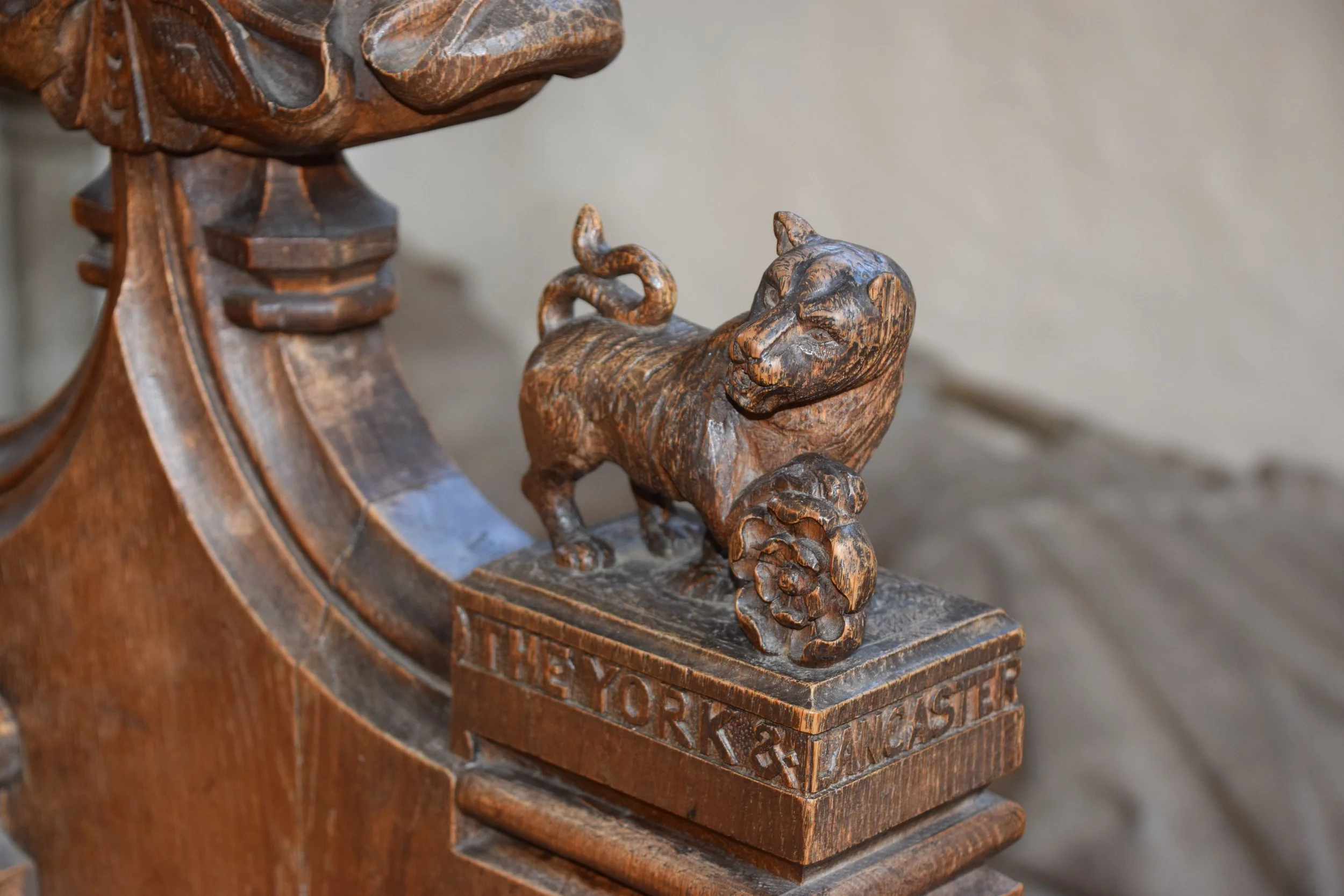
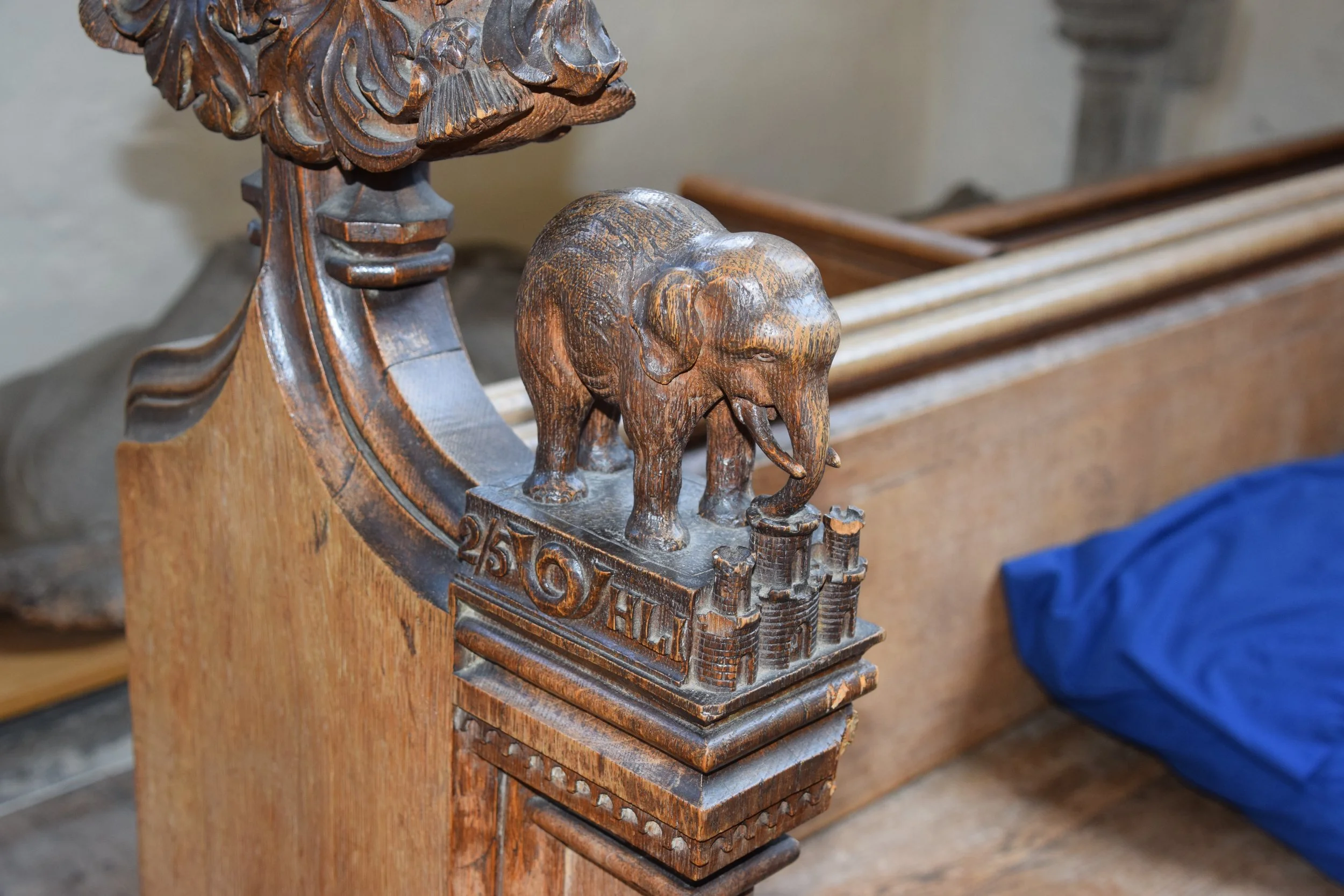
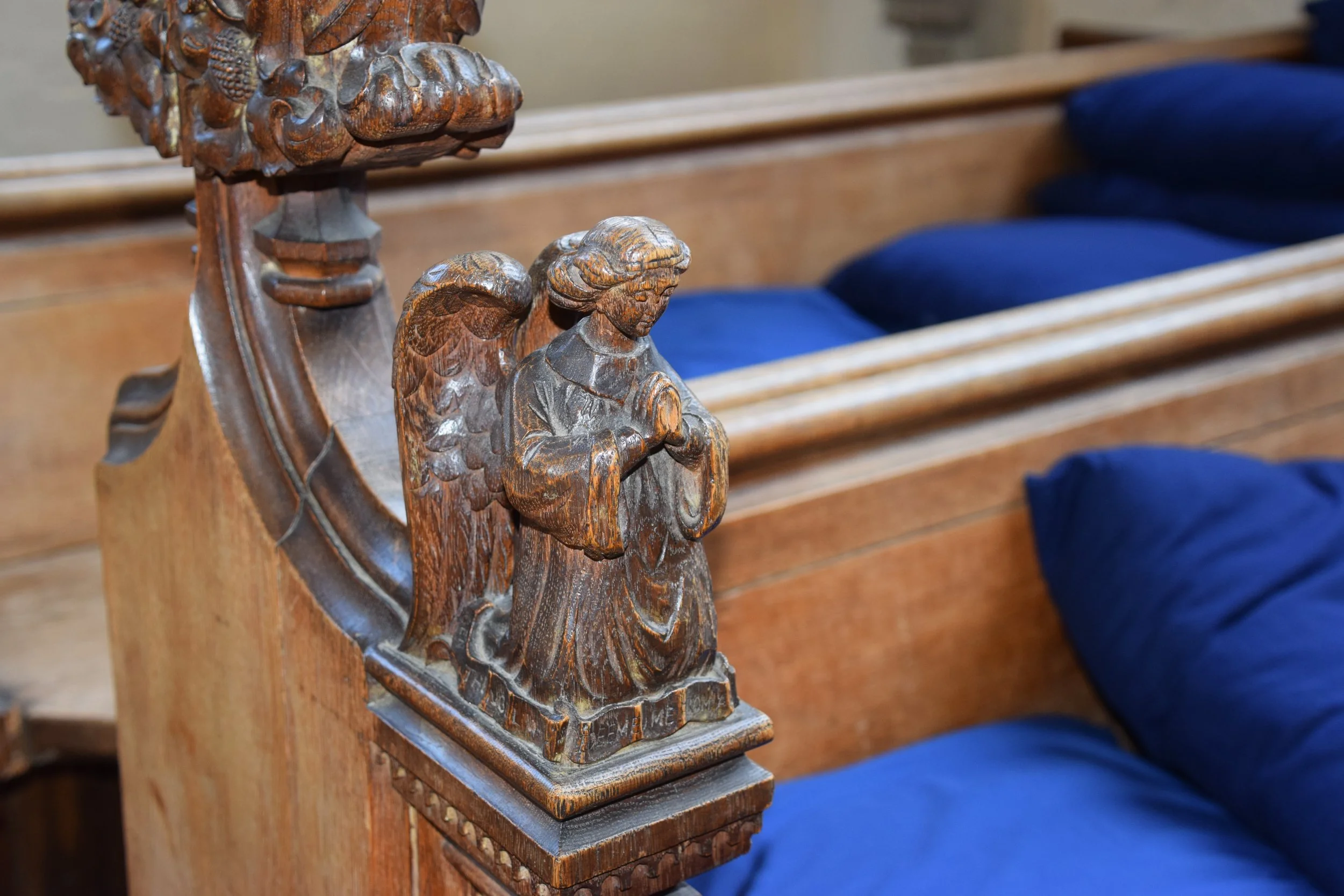
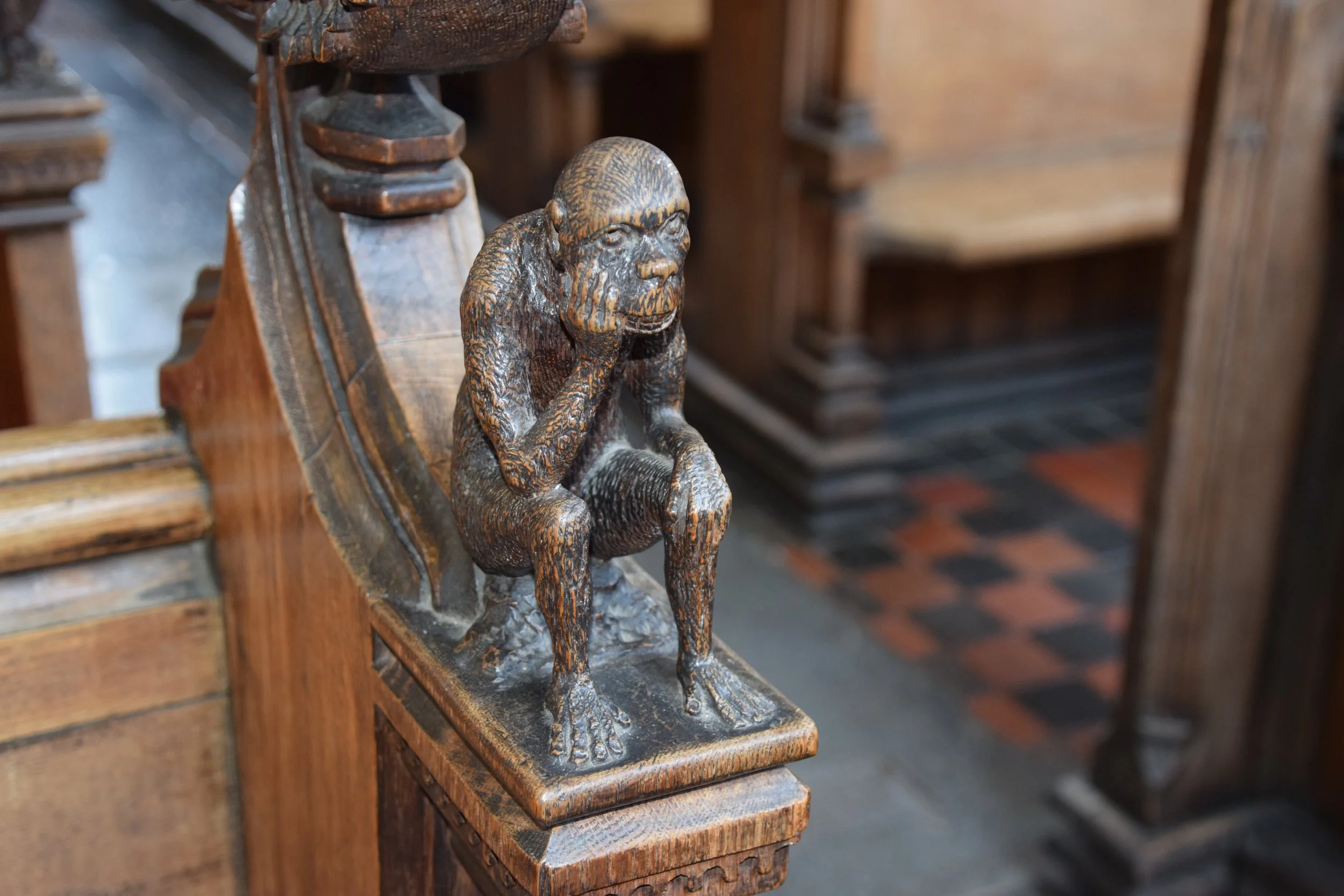
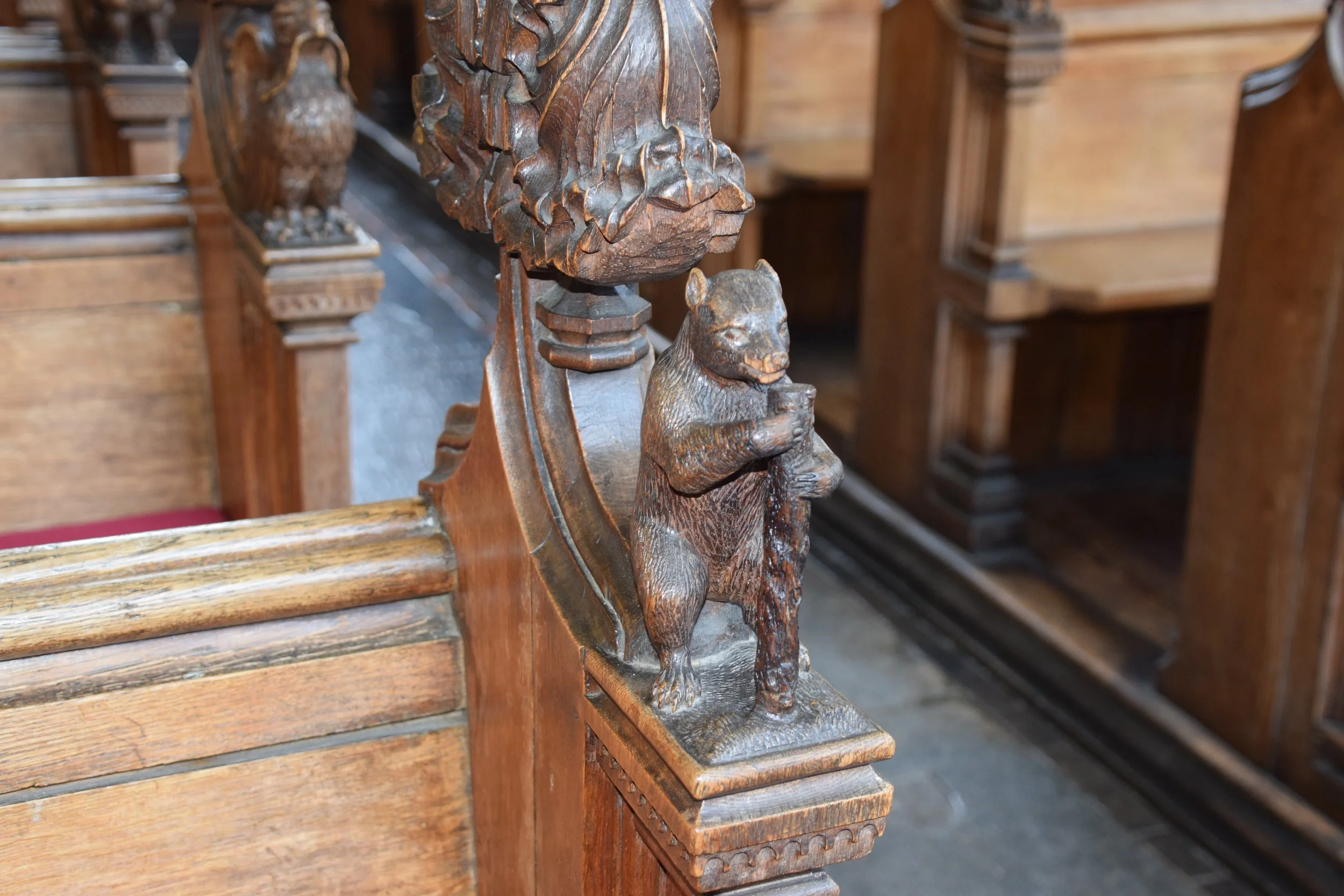
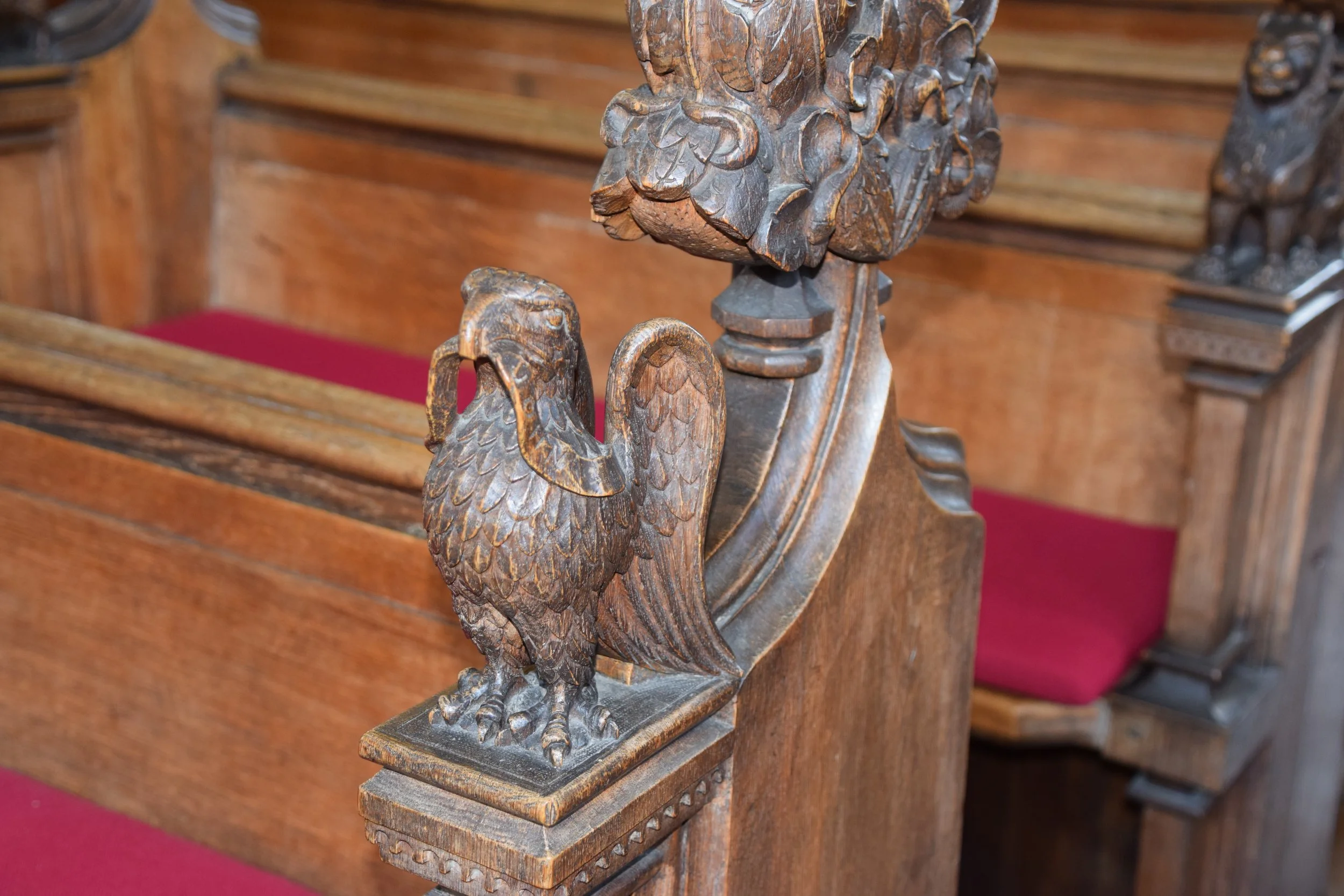
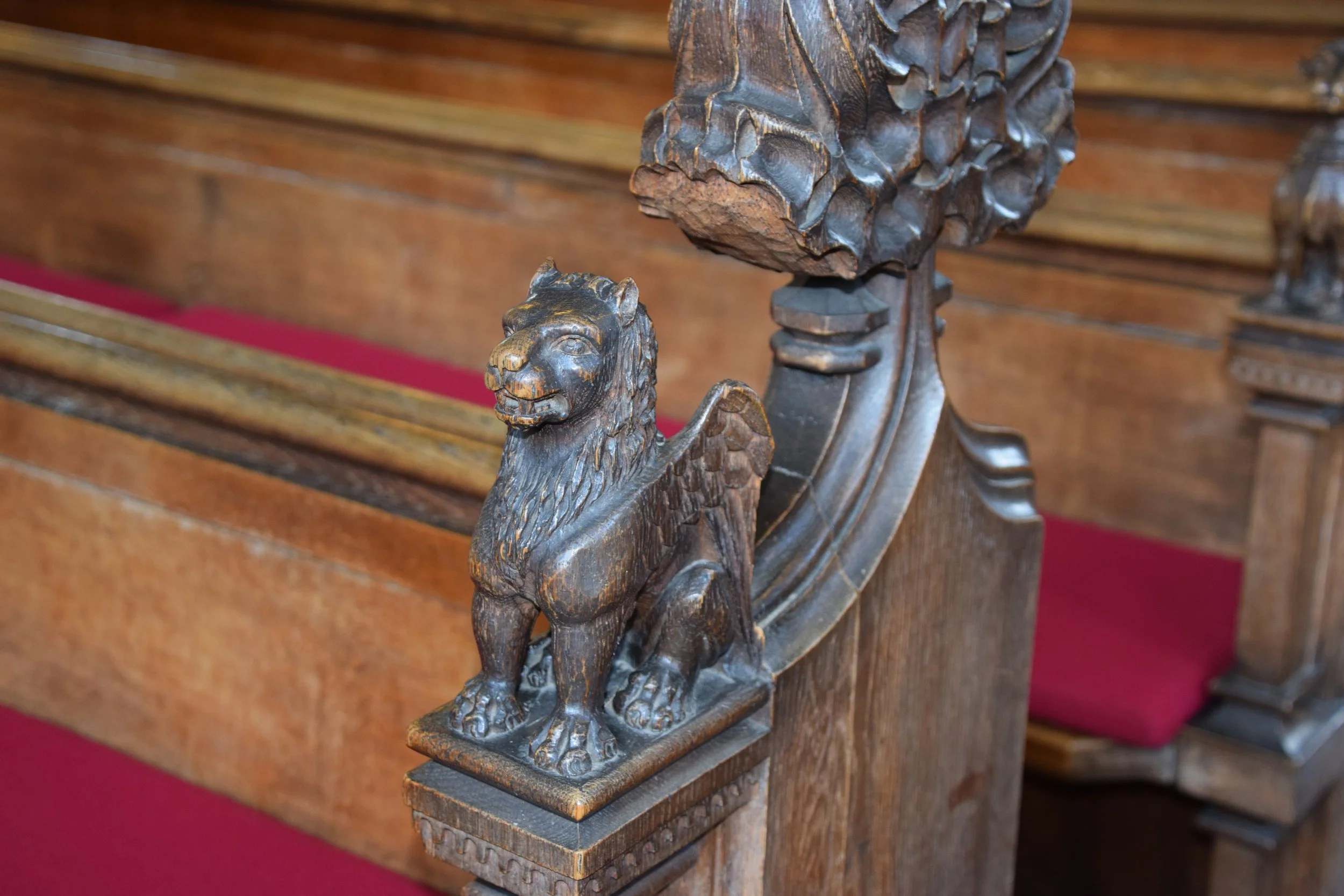
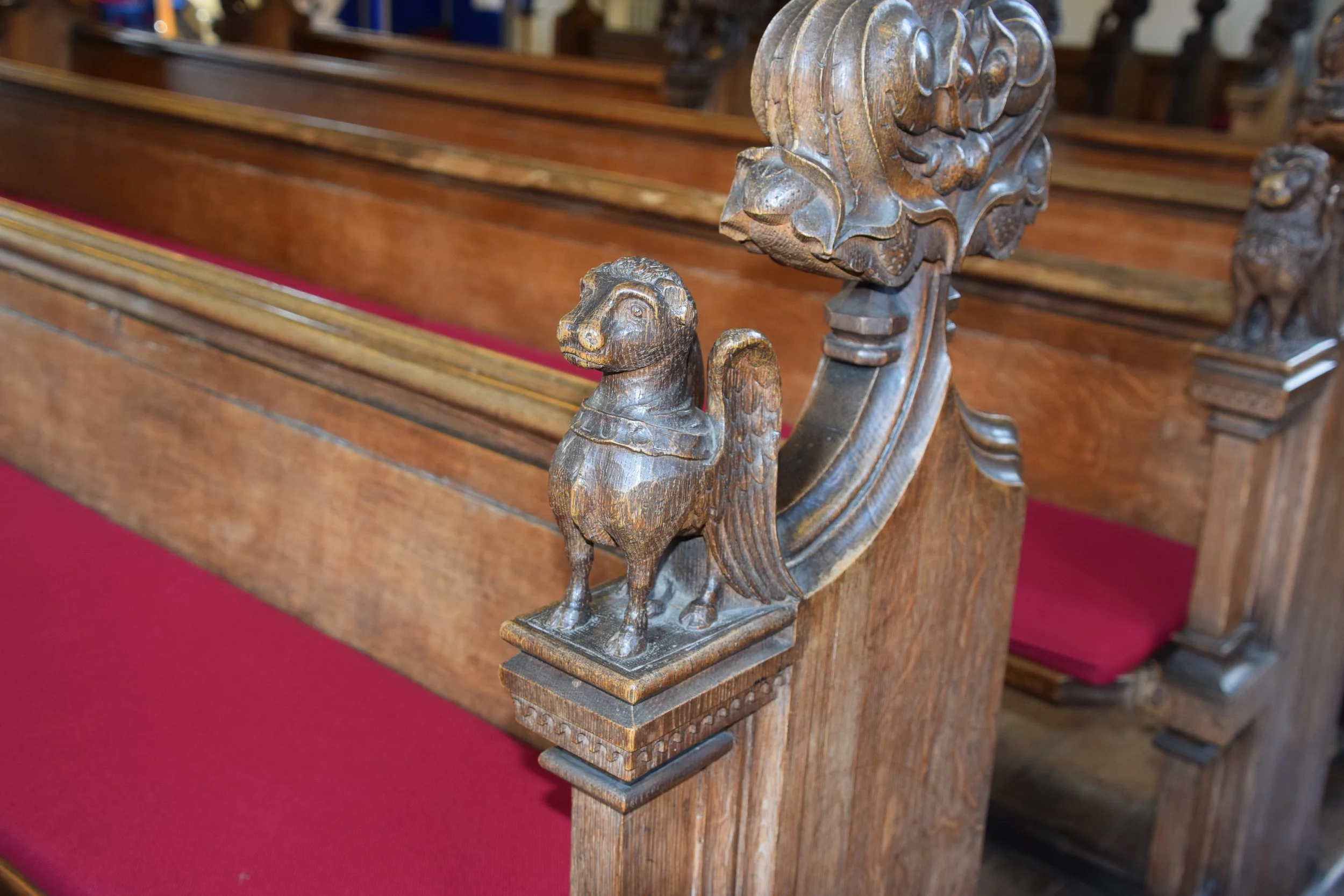
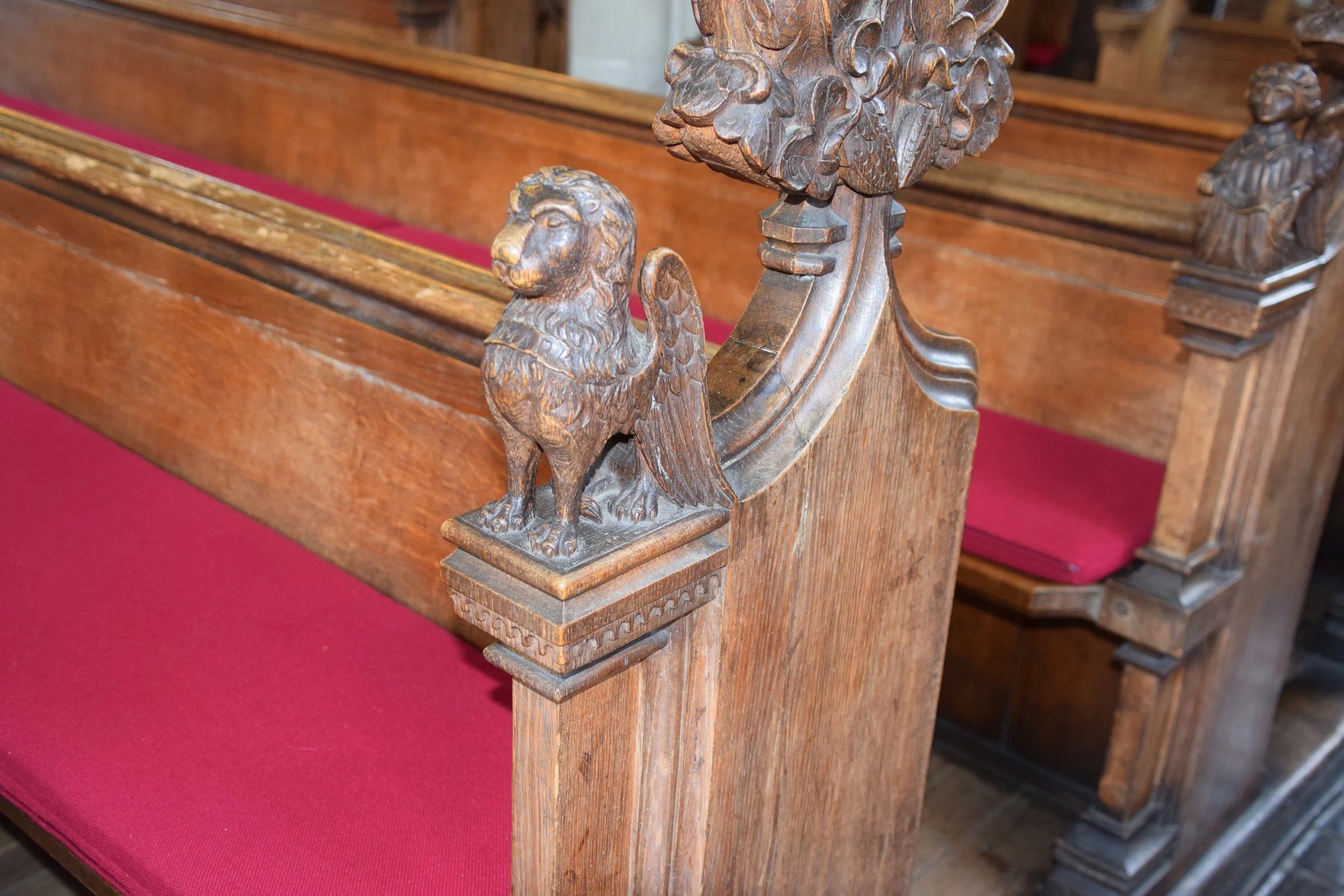
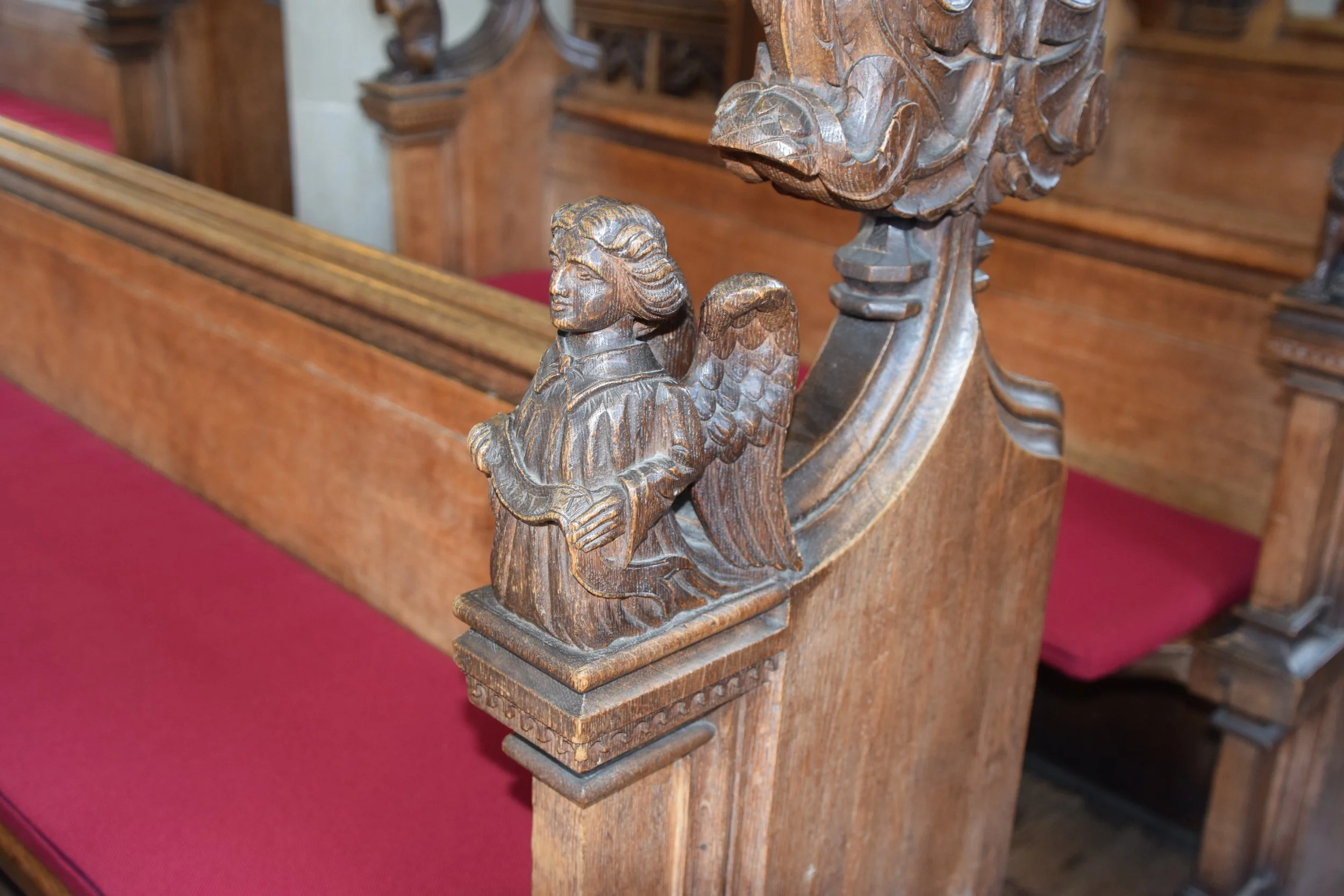
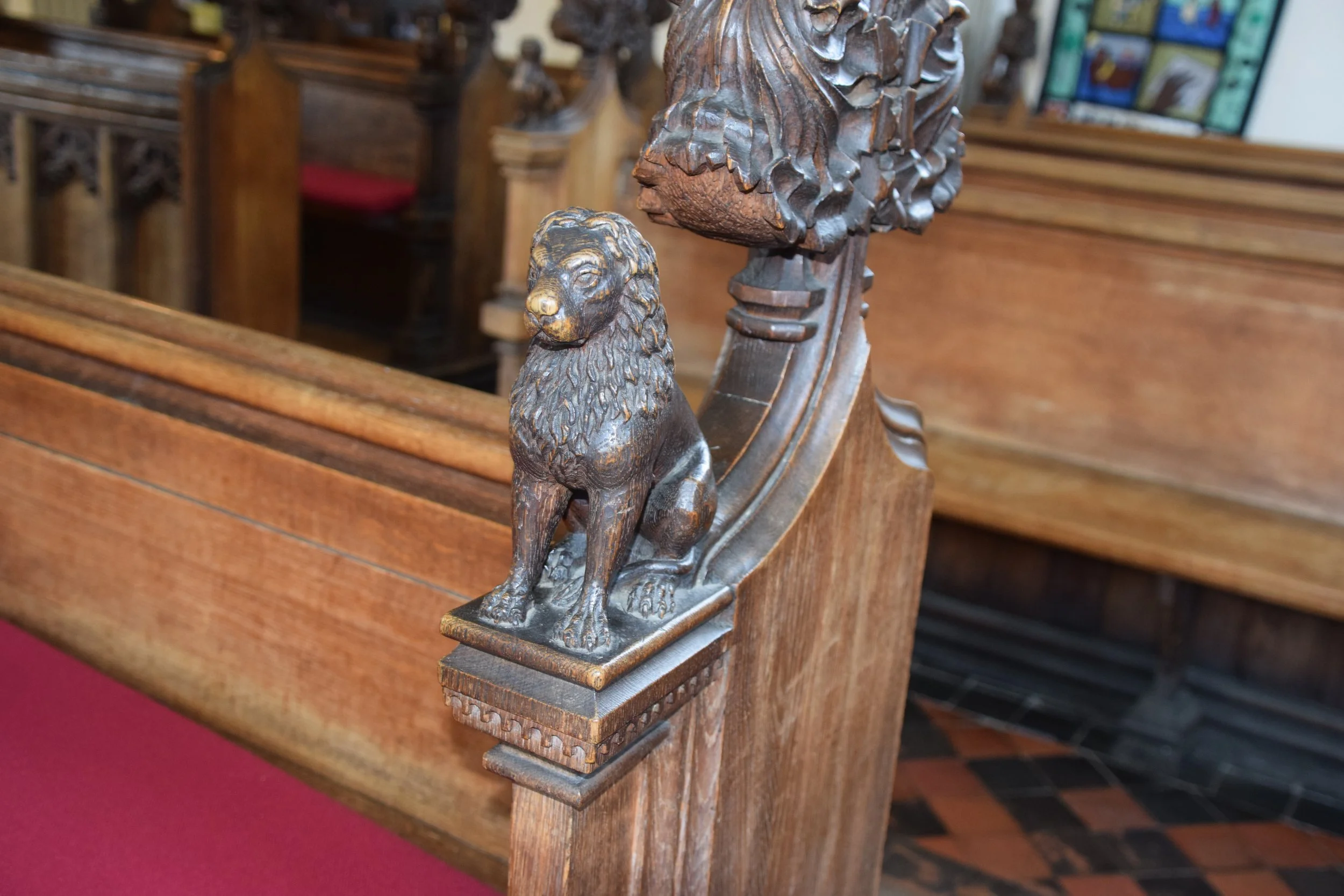
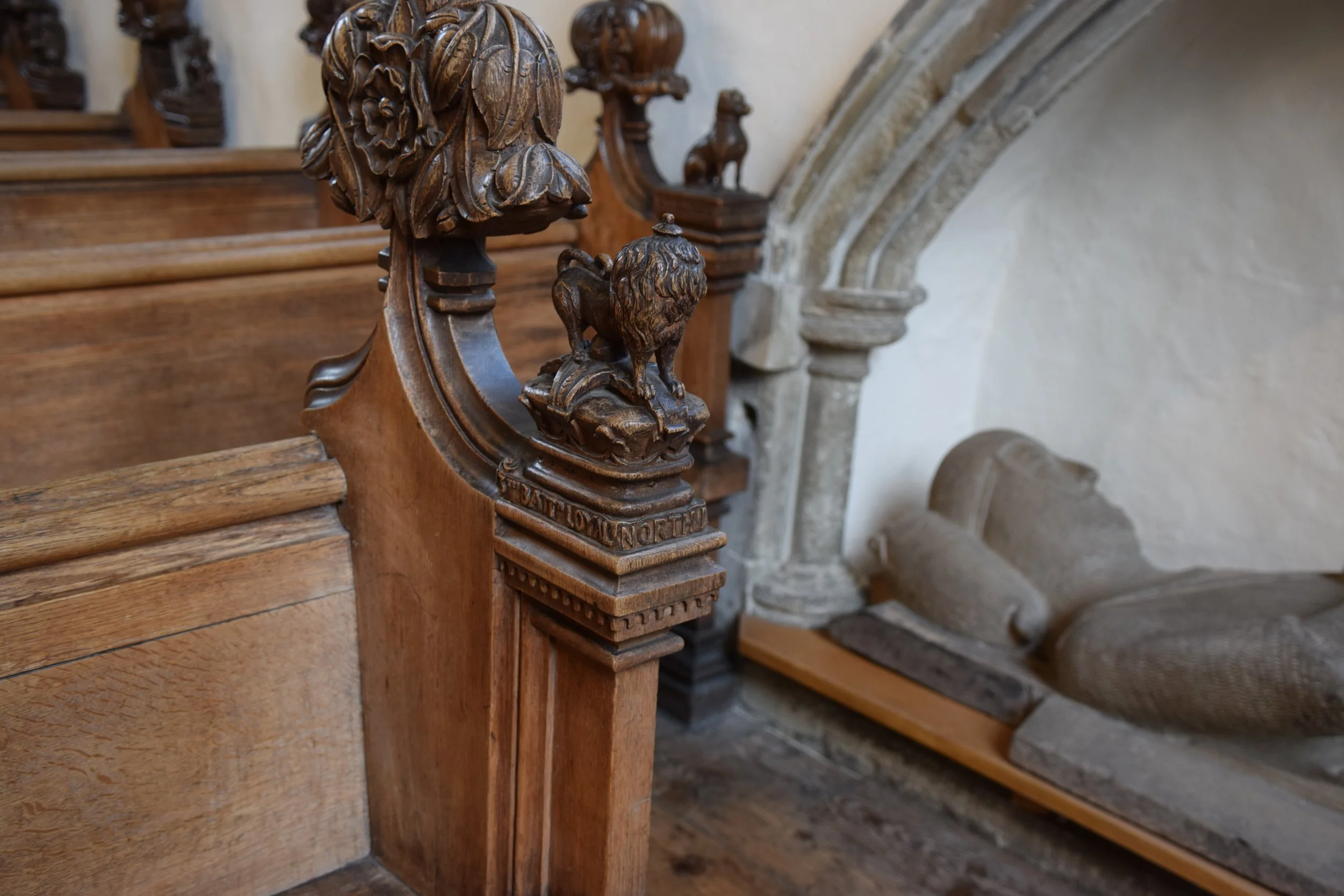
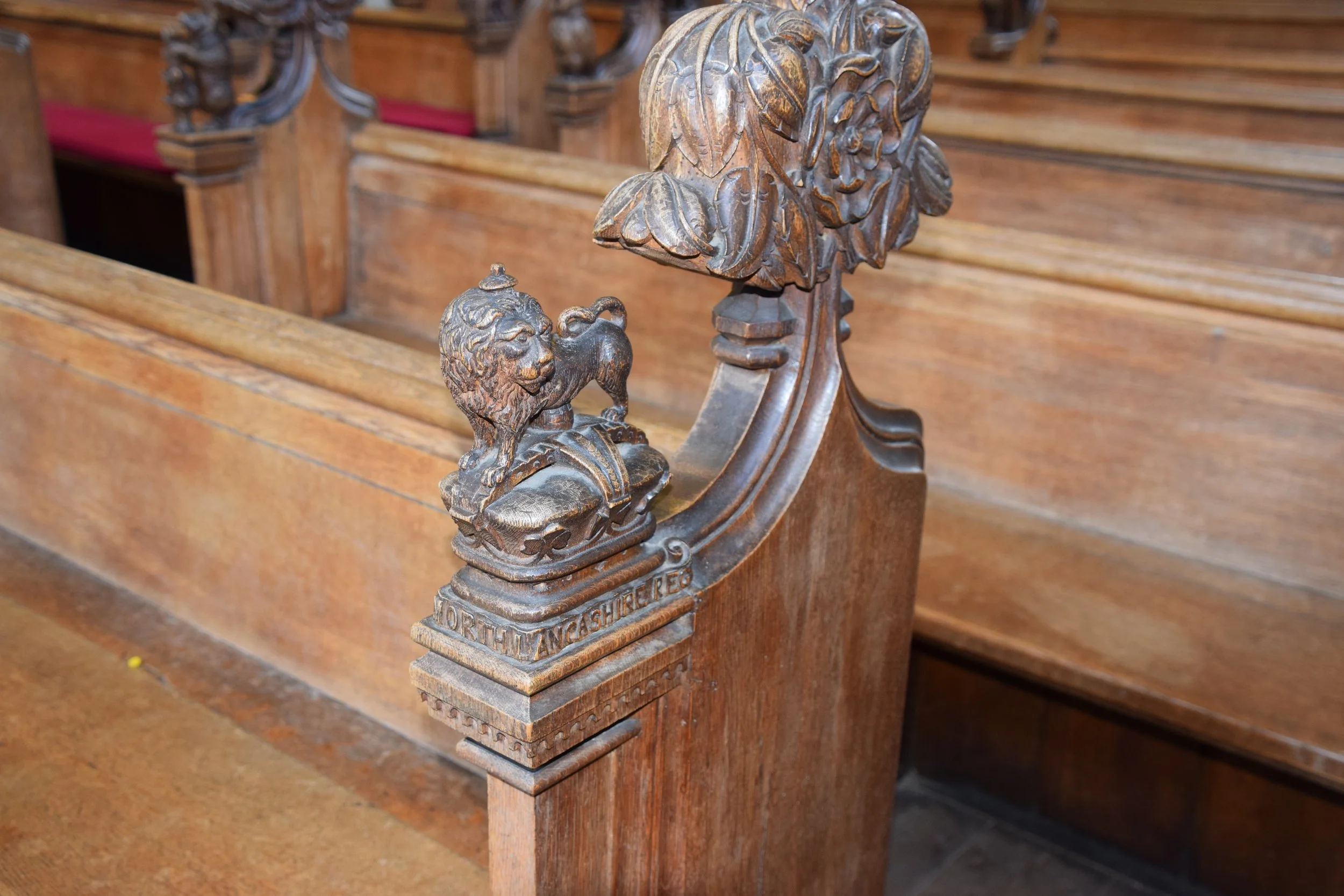
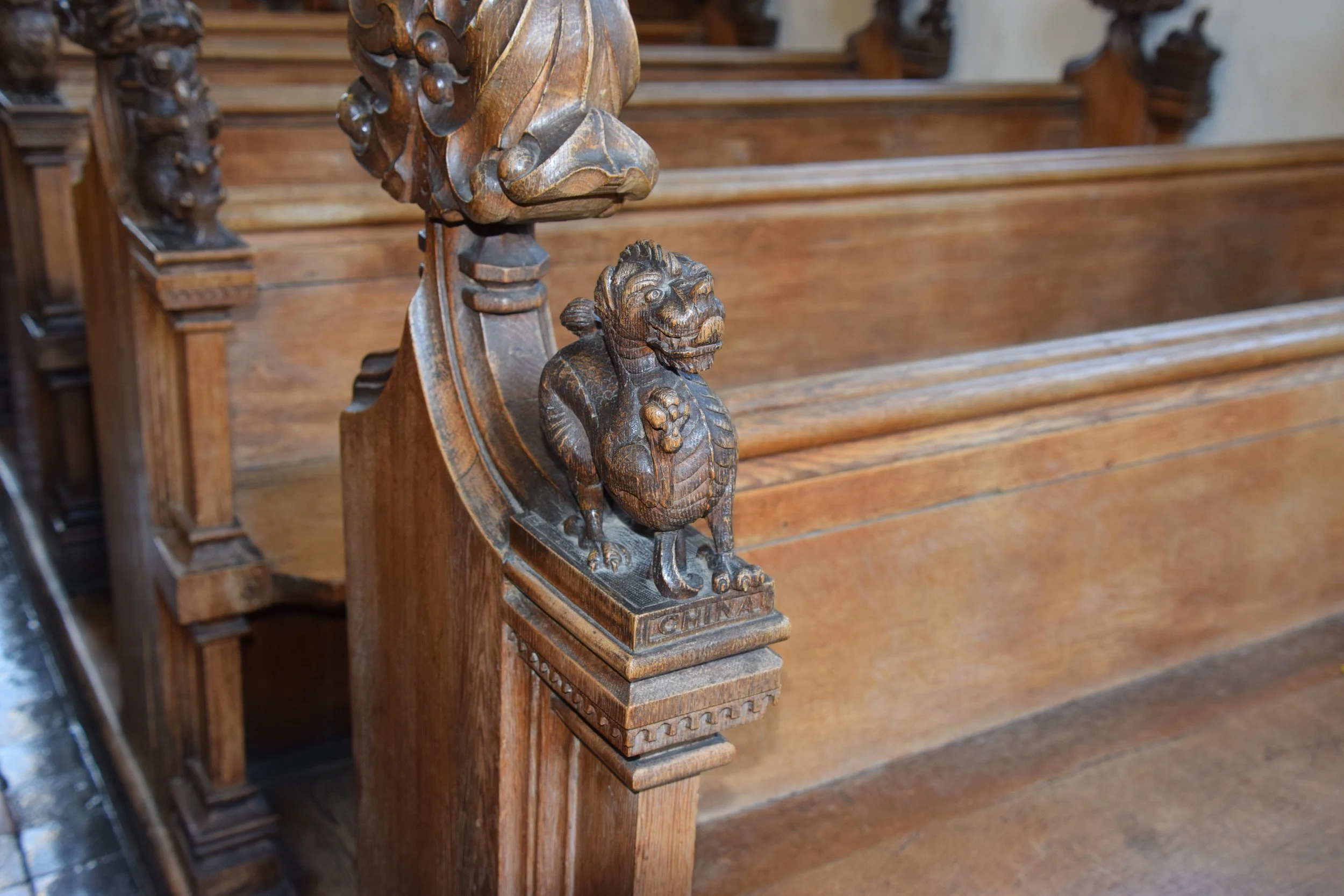
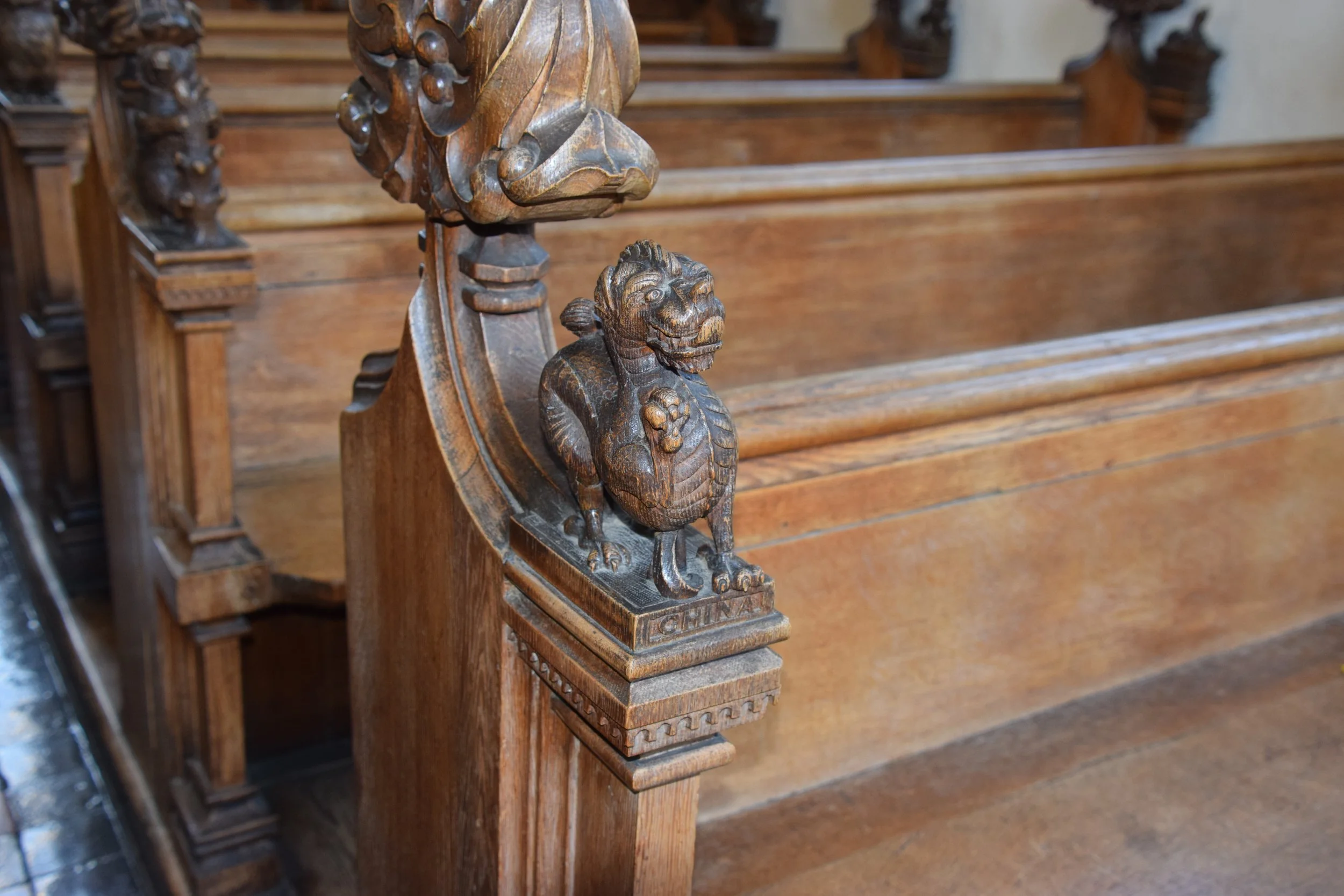
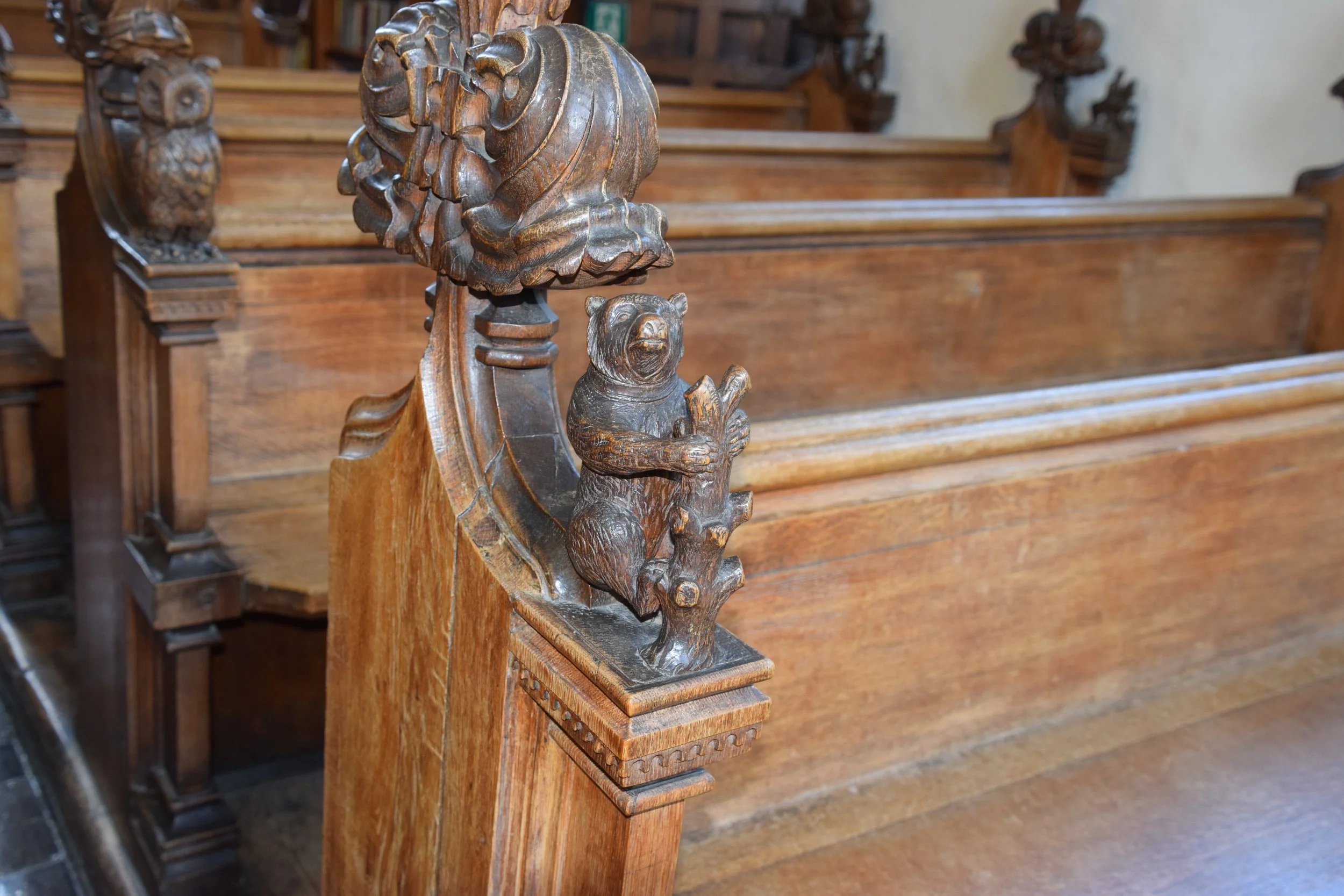
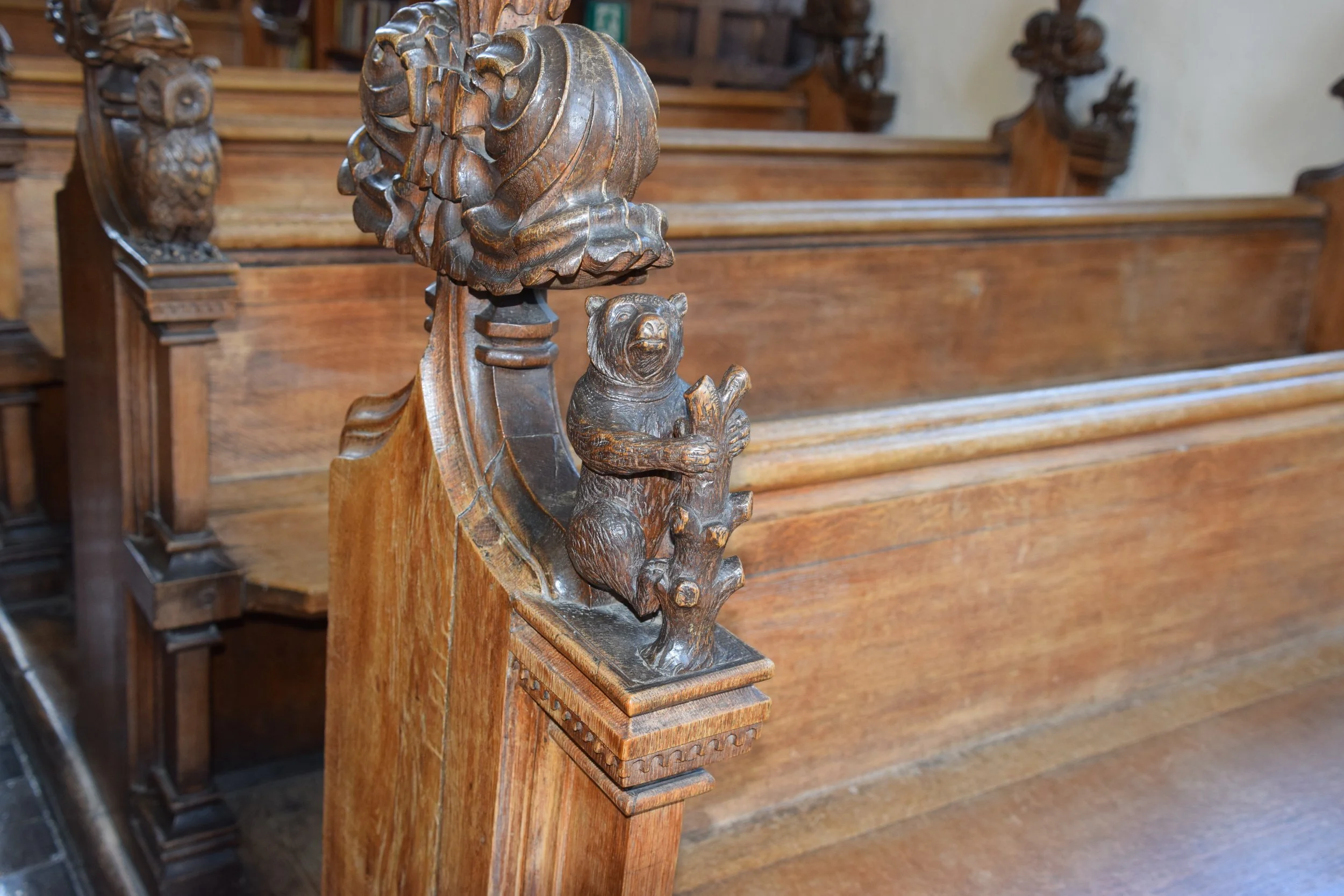
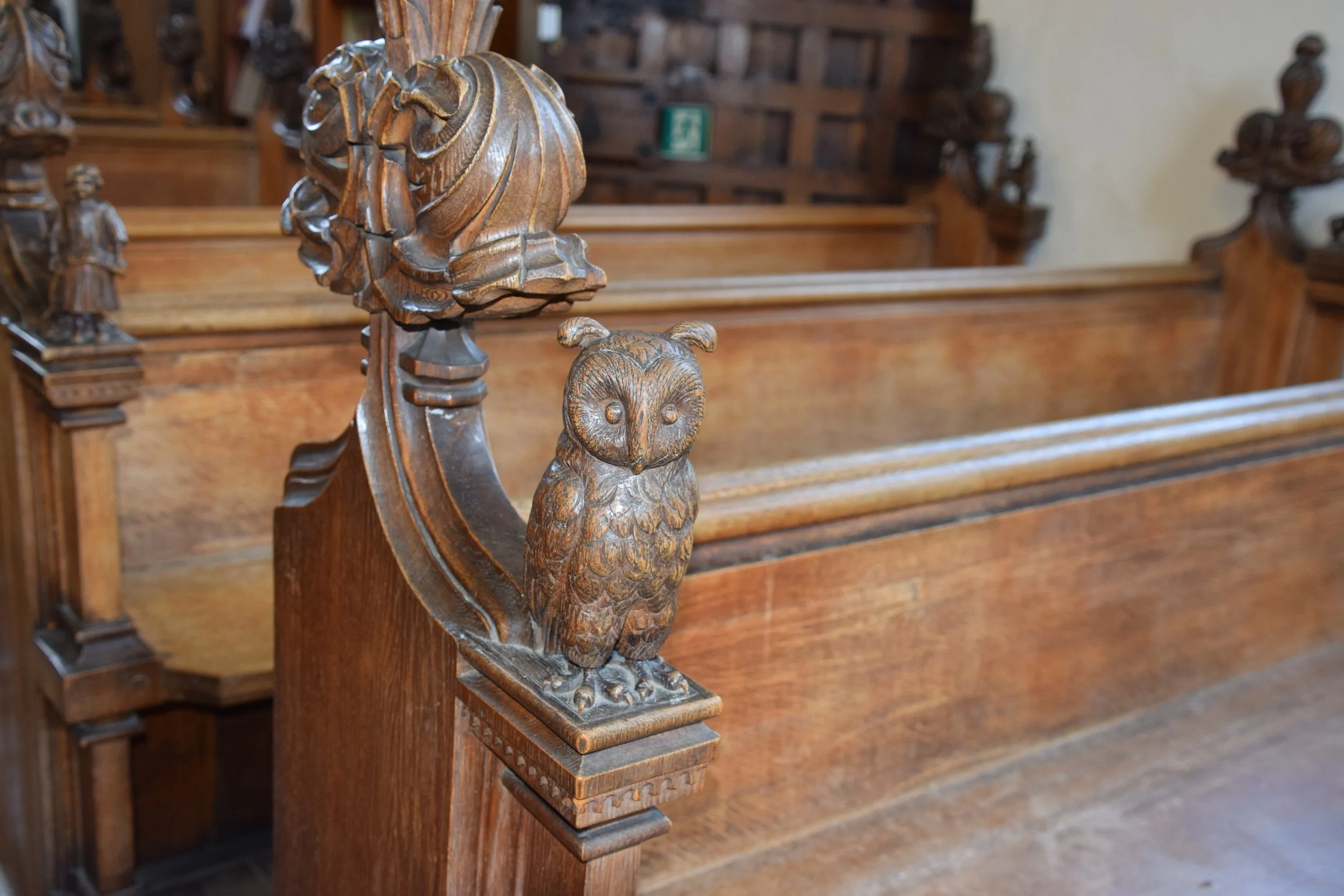
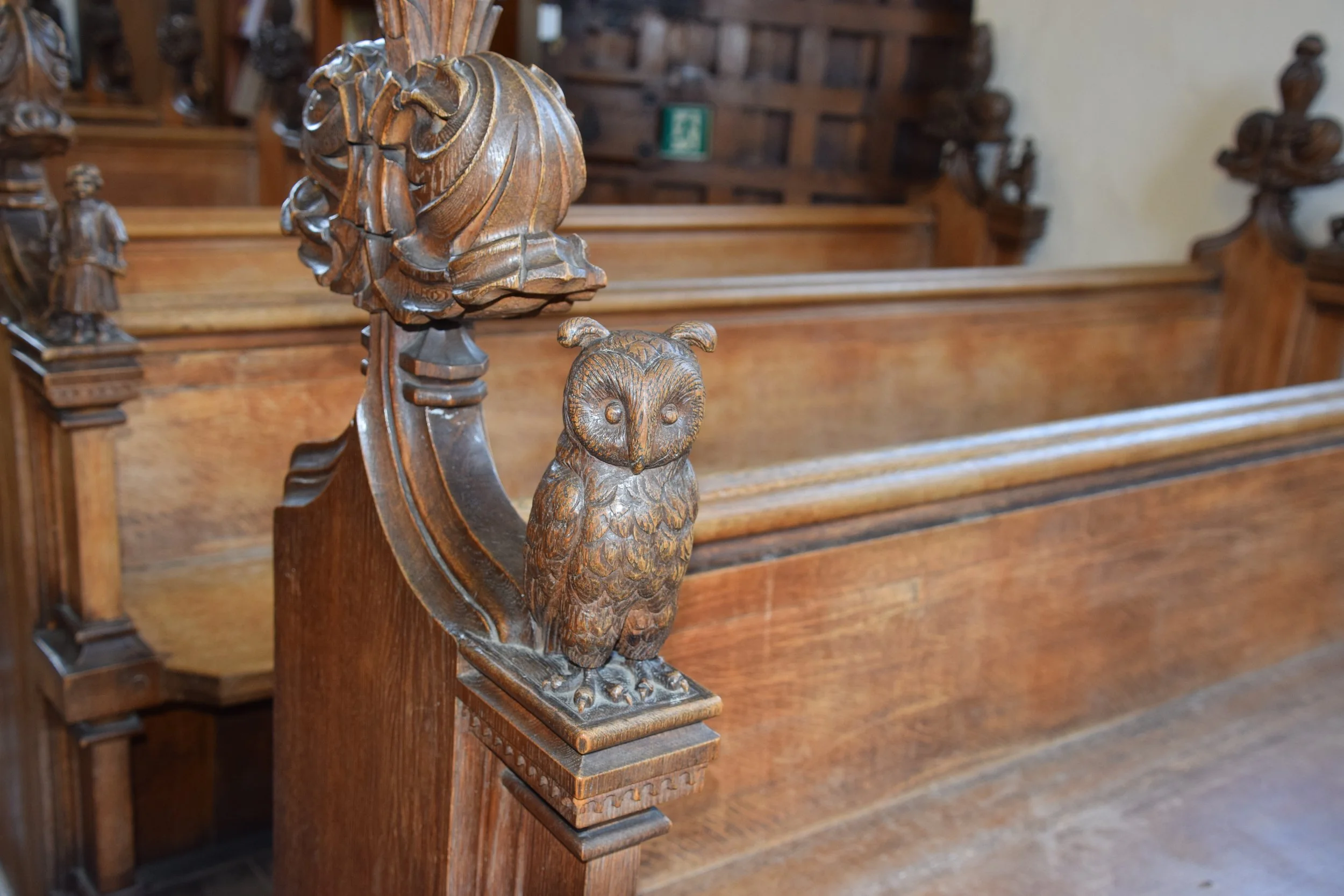
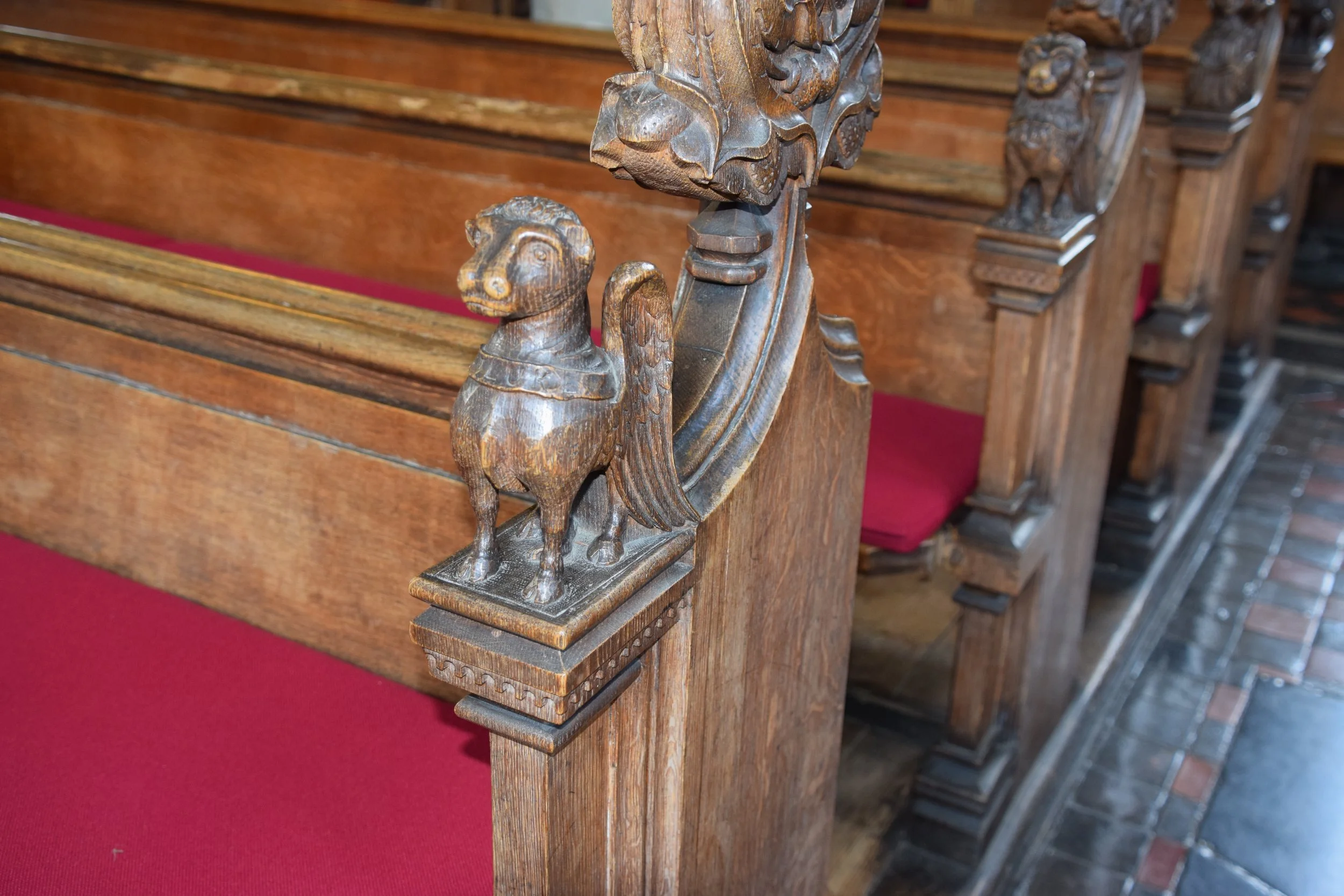
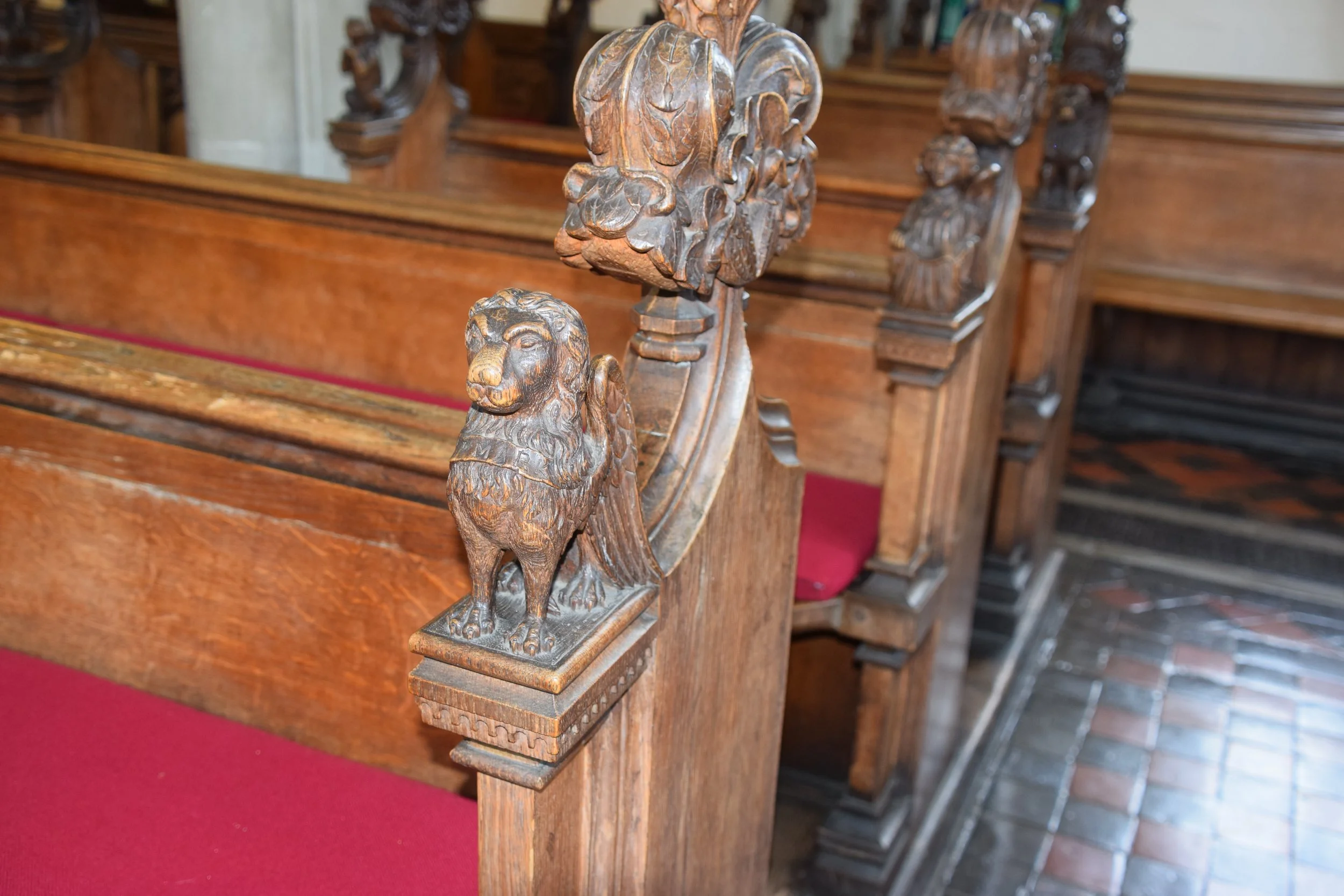
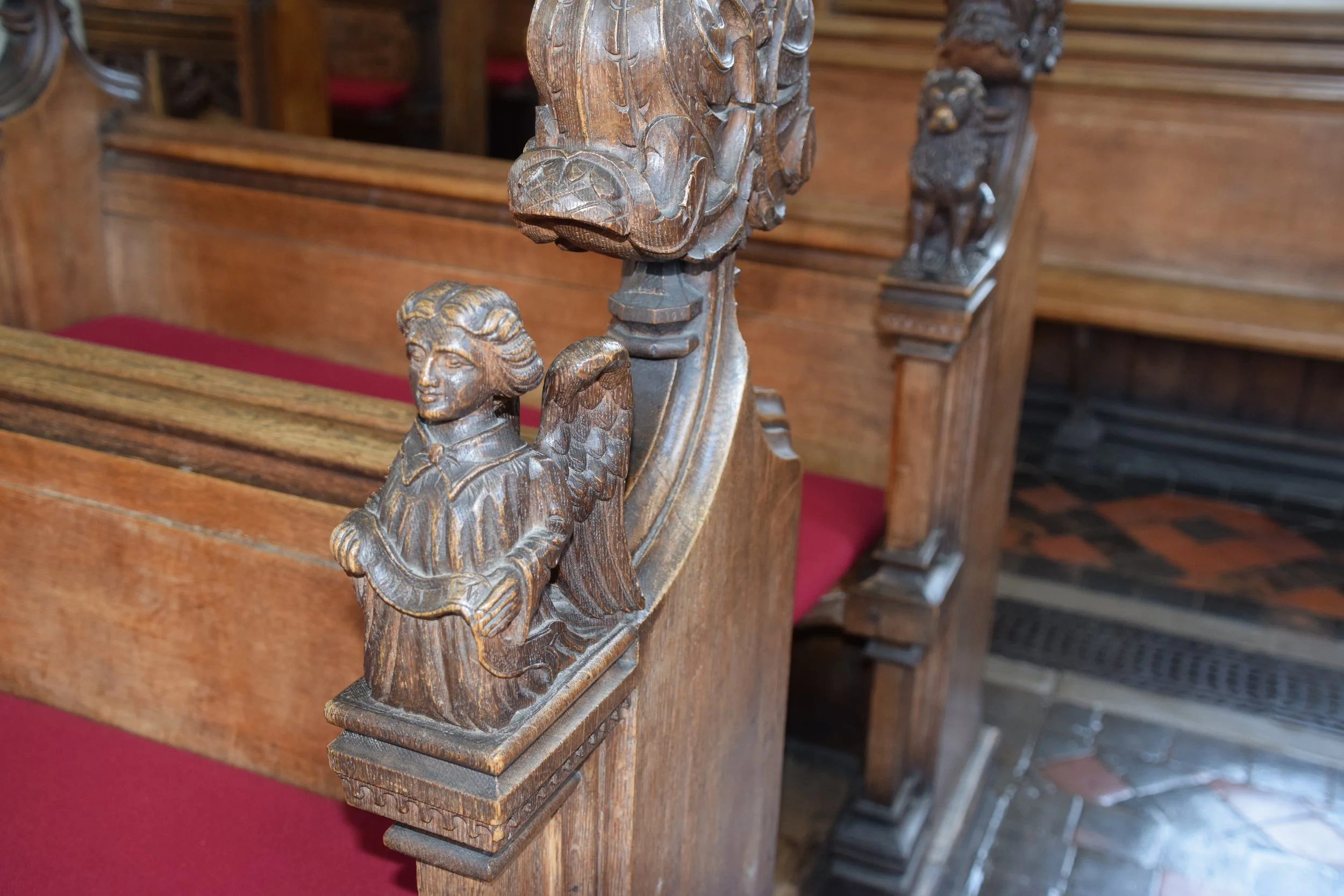
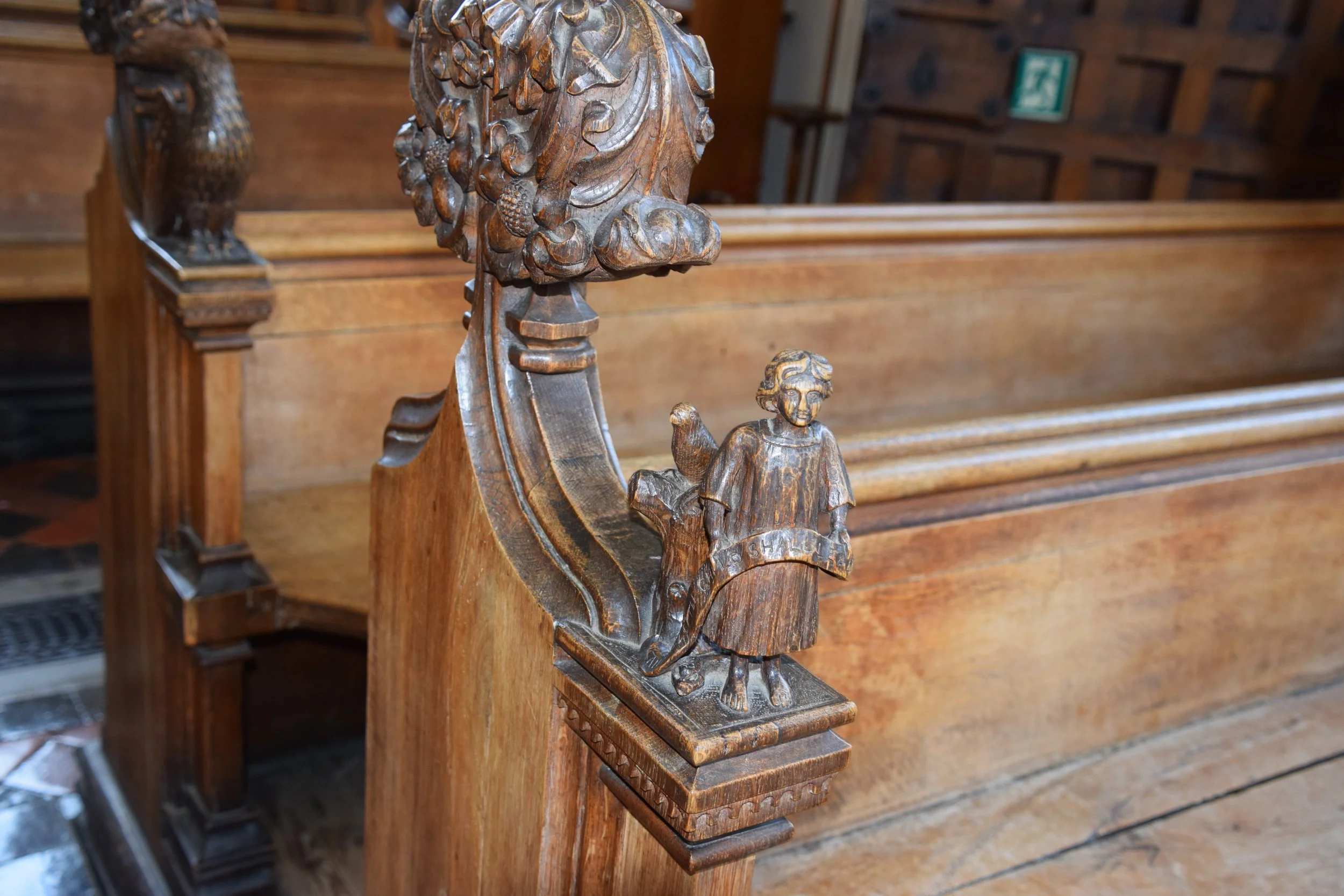
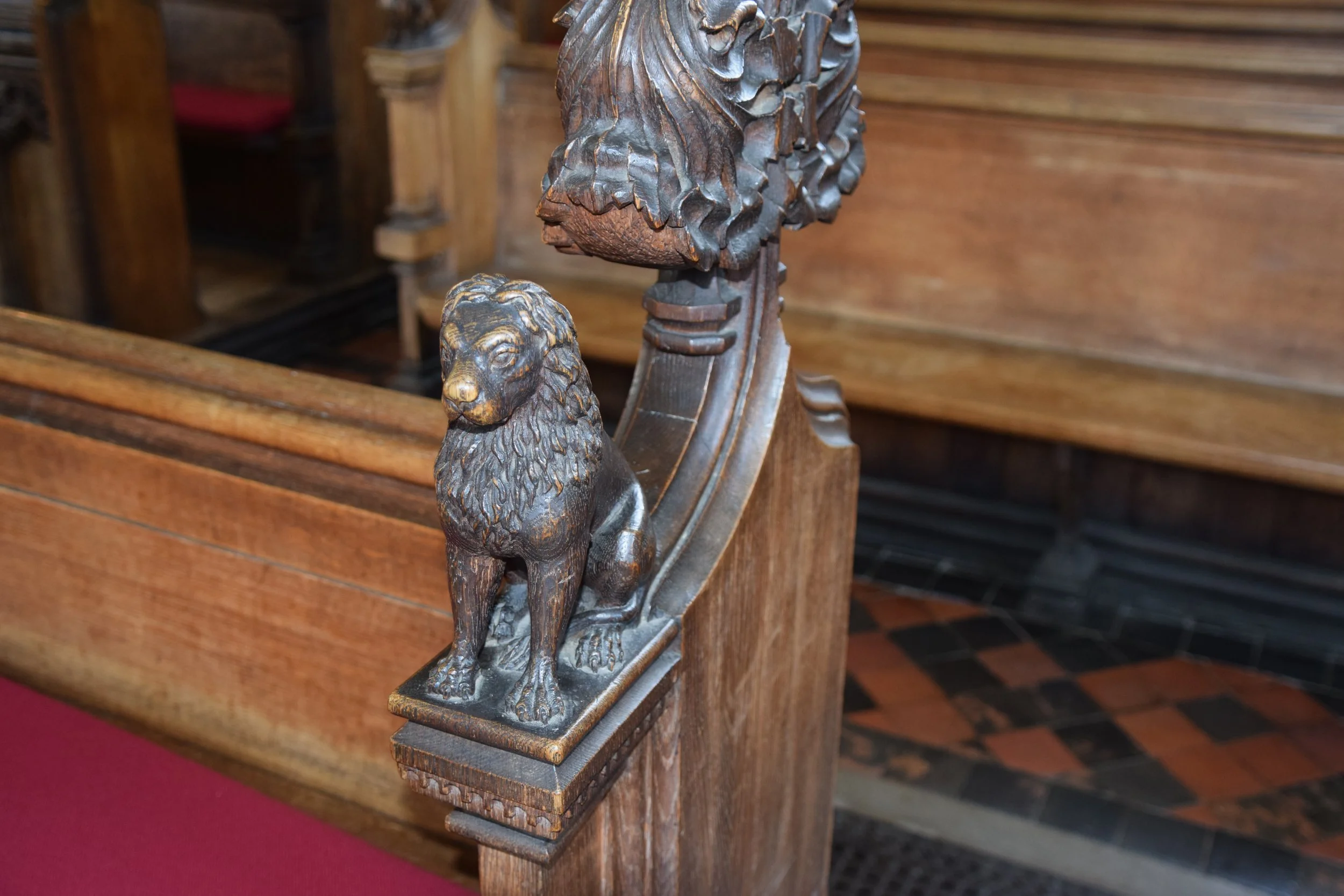
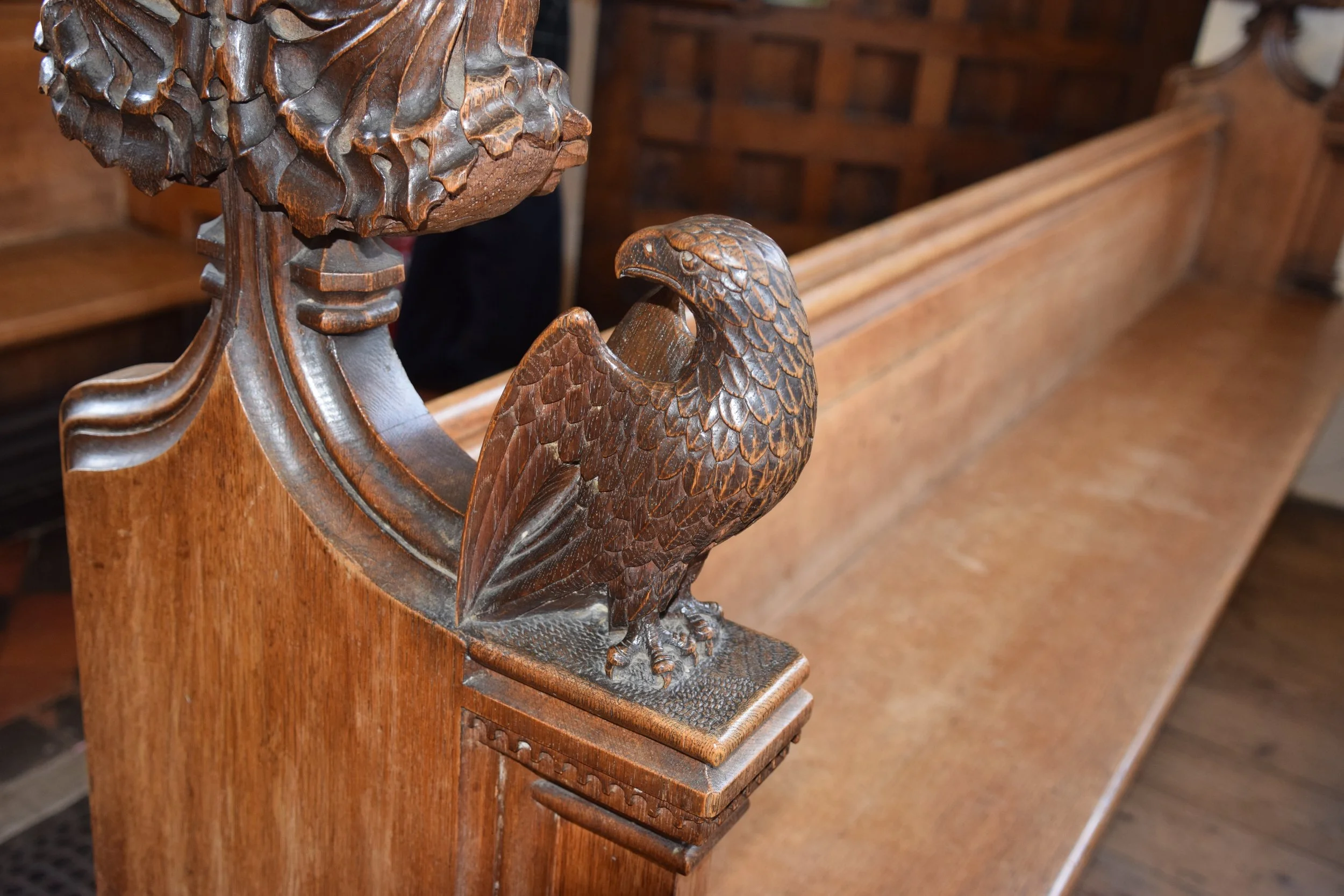
The South Aisle was remodelled, the chancel floor raised and an internal false roof removed. Many of the pews we see today also date from this restoration, having been modelled on a handful of surviving 15th-century examples at the back of the church.
Importantly, the work also uncovered and restored features of the older building that had been hidden over the years. The result was the beautiful Victorian interior that gives St John’s much of its character today.
Wartime Damage and Recovery
After Gilbert Scott's restoration, the church remained largely unchanged for many decades. Then, in May 1941, tragedy struck.
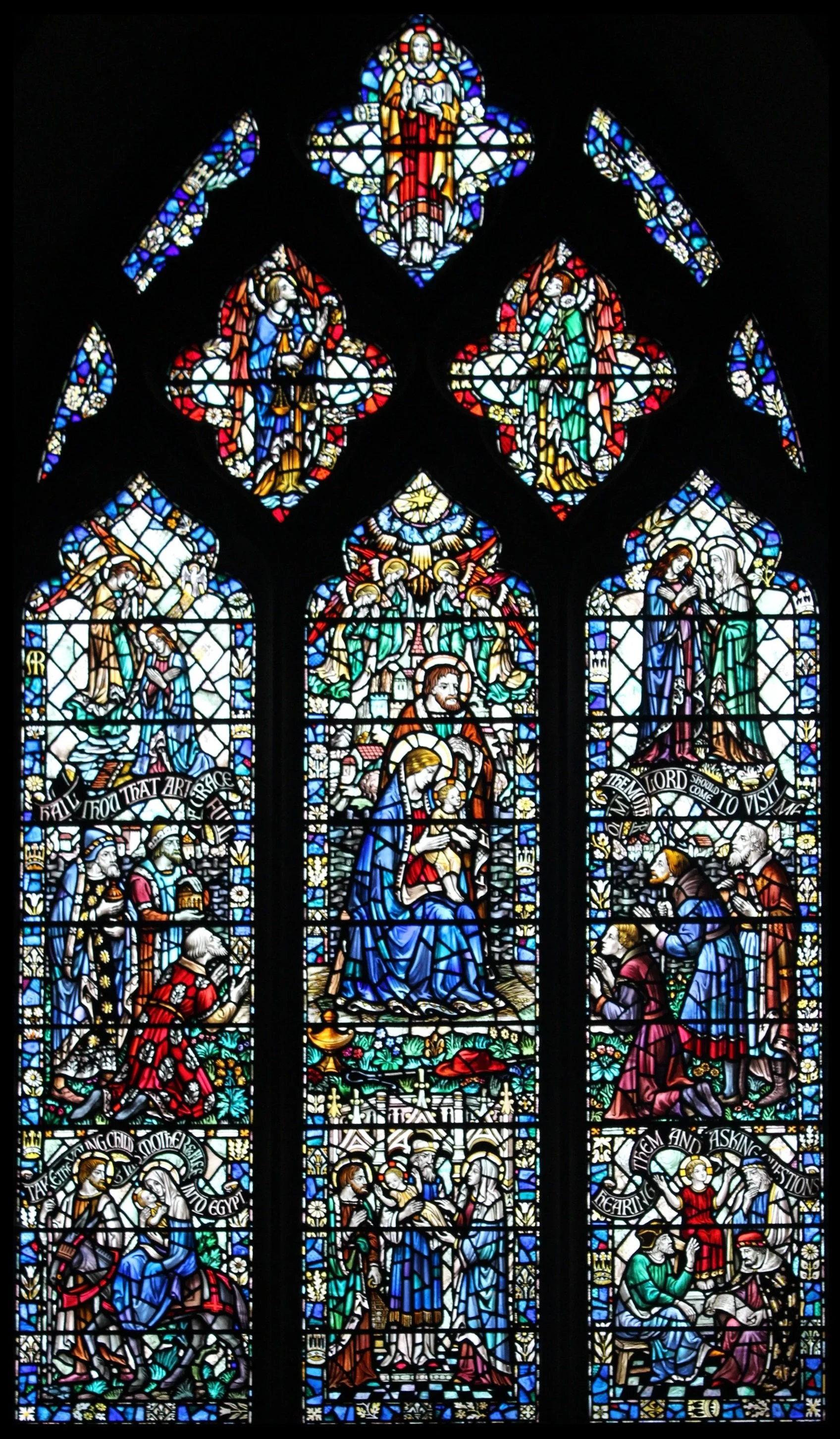
A German bomb fell close to the south wall, causing extensive damage to the south-east corner of the church and its roof. The organ and East Window were destroyed, leaving the church with a long road to recovery.
Although some repairs were made earlier, it was not until 1952 that permanent restoration work was completed, allowing the church to continue serving the people of Danbury.
Caring for St John’s Today
St John’s is now recognised as a Grade I listed building, reflecting its exceptional historic and architectural importance.
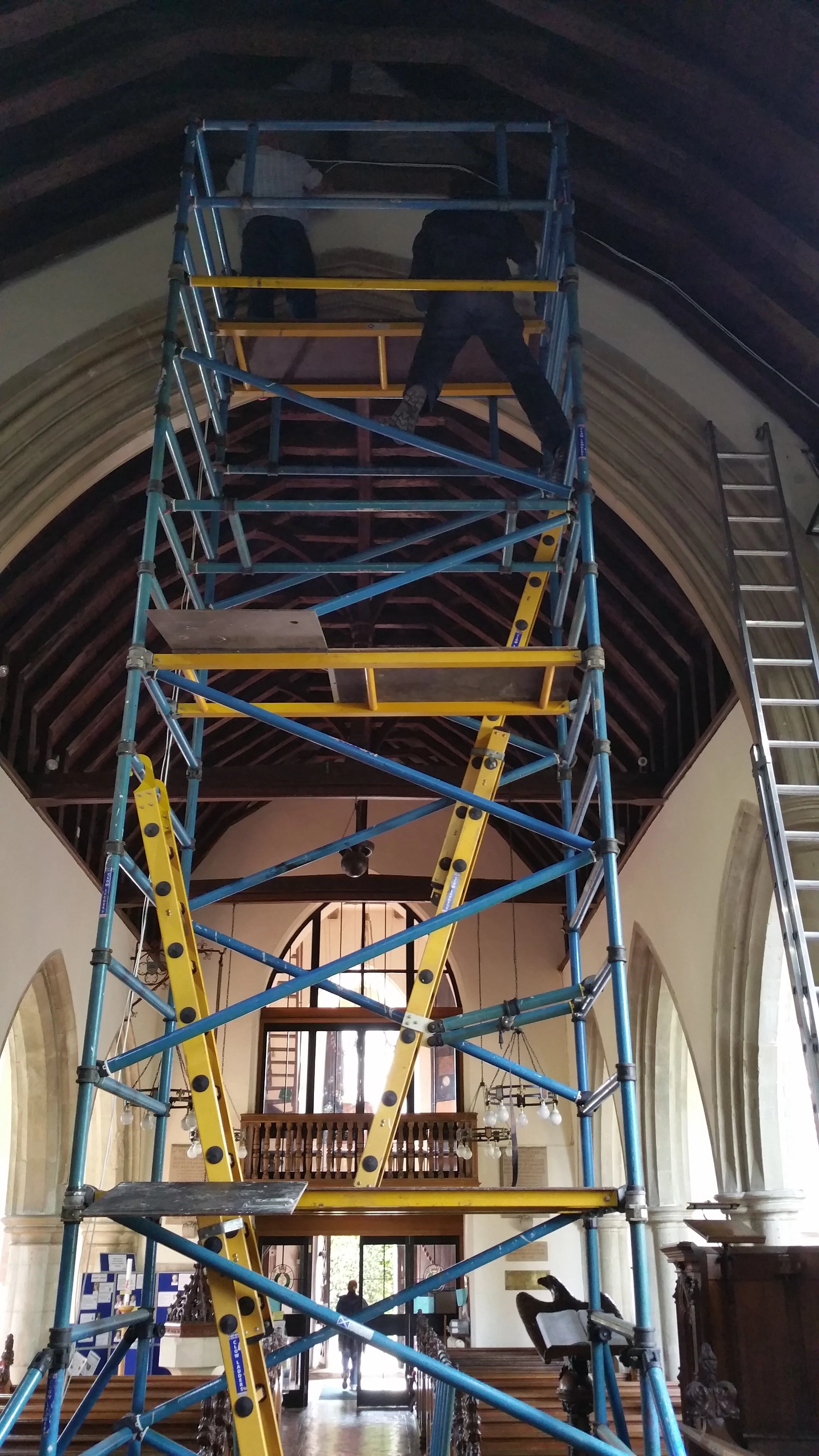
Looking after a building with such a long and fascinating history is a continuing responsibility. Generations of people from the church and the wider Danbury community have given their time, energy and generosity to help preserve it for the future.
Major projects in more recent times have included repairs to the tower in 1982, new church lighting in 1996, extensive roof repairs and interior redecoration in 2003–04, and the refurbishment of the church organ in 2005.
Today, St John’s remains much more than a historic building. It is a living church, a place of worship, celebration and remembrance, and an important part of village life. The work of caring for it continues, so that future generations can enjoy and cherish this remarkable part of Danbury's heritage.
Discover More: The St John’s Church Guide
There is so much more to discover inside St John’s!
In June 2000, after months of research, two members of the congregation, Mary Kerwin and Glenda Griffin, published A Guide and History: The Parish Church of St John the Baptist, Danbury.
This beautifully researched 60-page guide includes a tour of the church, a detailed account of its history, historic photographs and an extensive bibliography.
A few printed copies are still available at the back of the church.